
Tested on Aussie rivers, lakes and coastal waters.
Quick Picks
Best Overall: Razor Kayaks Edge Pro 1
Best for Fishing: Pryml Predator HD330
Best Value: Razor Kayaks R1 Ultra
Best Touring Kayak: Advanced Elements Expedition Elite
Best Ultralite: Kokopelli Moki-Lite
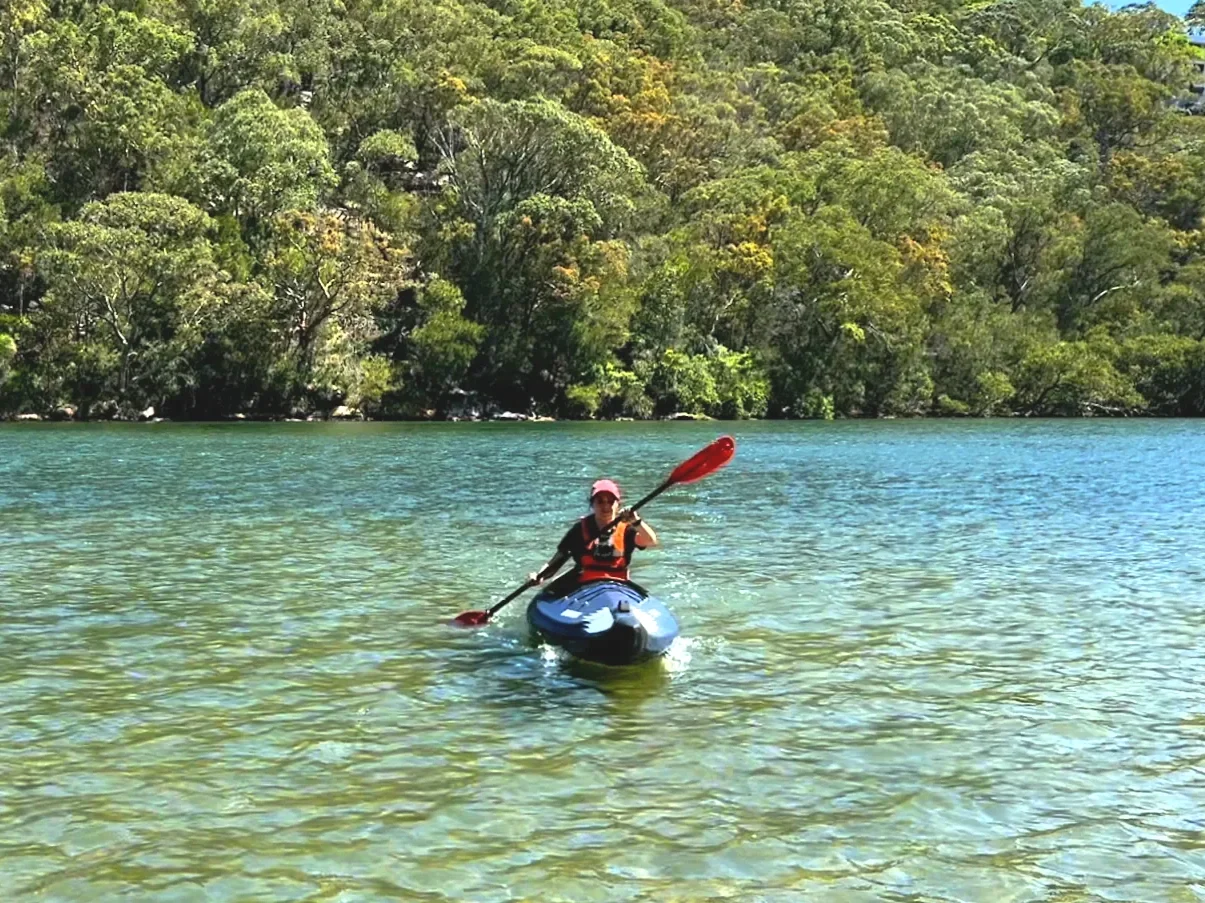
We’ve tested and compared the best inflatable kayaks Australia has to offer. We picked only the top performers in each category, focusing on performance, durability, packability, comfort and value for money. Our picks come from hands-on testing, so you’re seeing how these kayaks actually perform on the water, not just specs on a box. You can find our full inflatable kayak reviews using the ‘Read Full Review' buttons below, or watch our video review for a quick breakdown.
Looking for a 2-person kayak? Head over to our list of the best two-person kayaks in Australia.
Last updated 14th September 2026: Updated kayak range, added link to testing notes and bios
Best Inflatable Kayak Australia 2026
Inflatable Kayak Reviews Australia
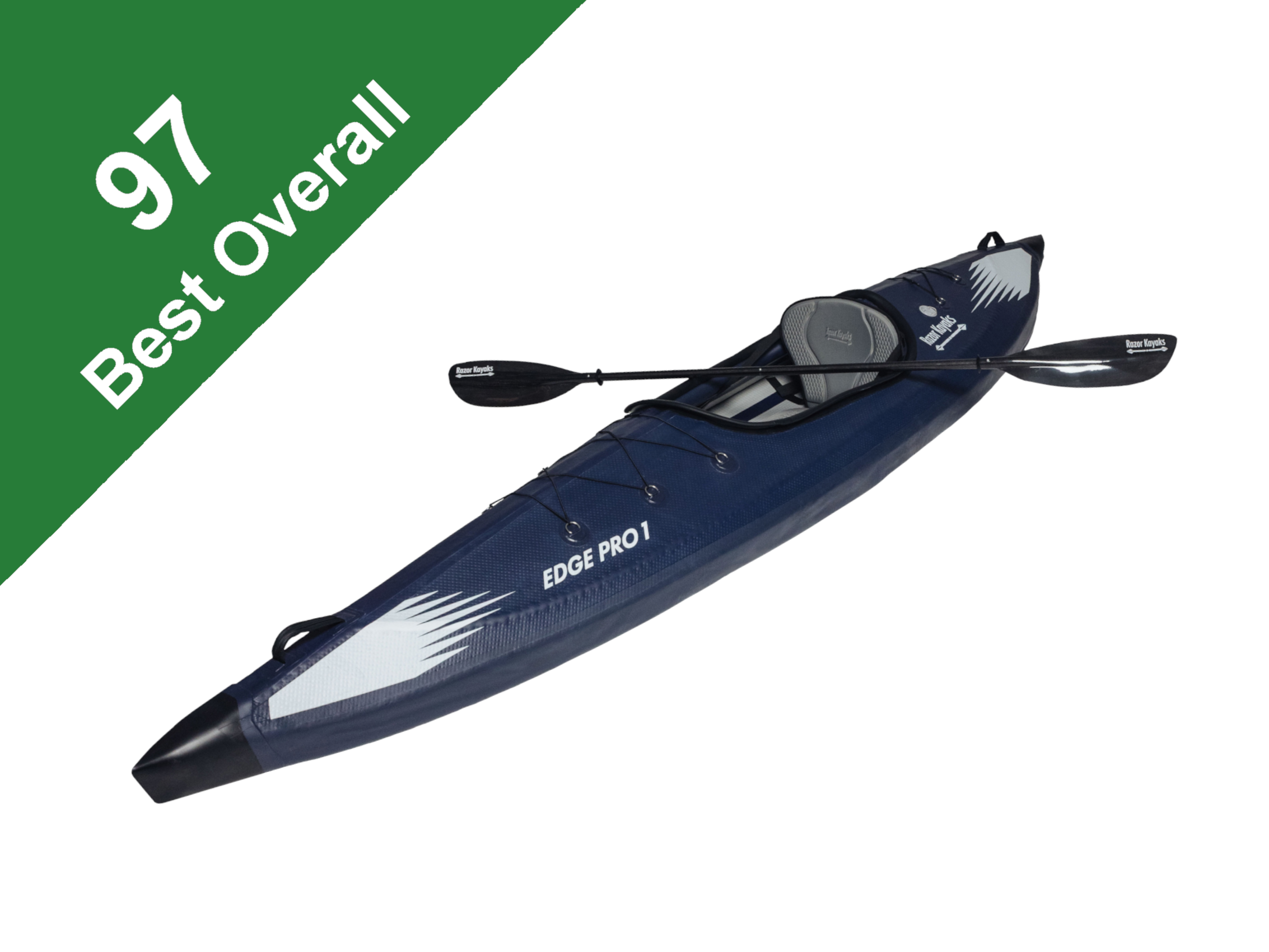
Razor Kayaks Edge Pro 1
Price At Time Of Writing | $1,595.00
Overall Rating | 97
Performance | 10
Construction | 10
Setup/Pack Down | 9
Portability | 8
Comfort | 10
Open Size - 398x83cm
Weight - 18.9kg
Load Capacity - 170kg
Packed Size - 84x50x33cm
Best For - Touring, high performance
Pros - Excellent paddling efficiency, tracking, and rigidity, comfortable, high quality
Cons - On the expensive side, heavier
Overall - The undisputed leader of inflatable kayaks
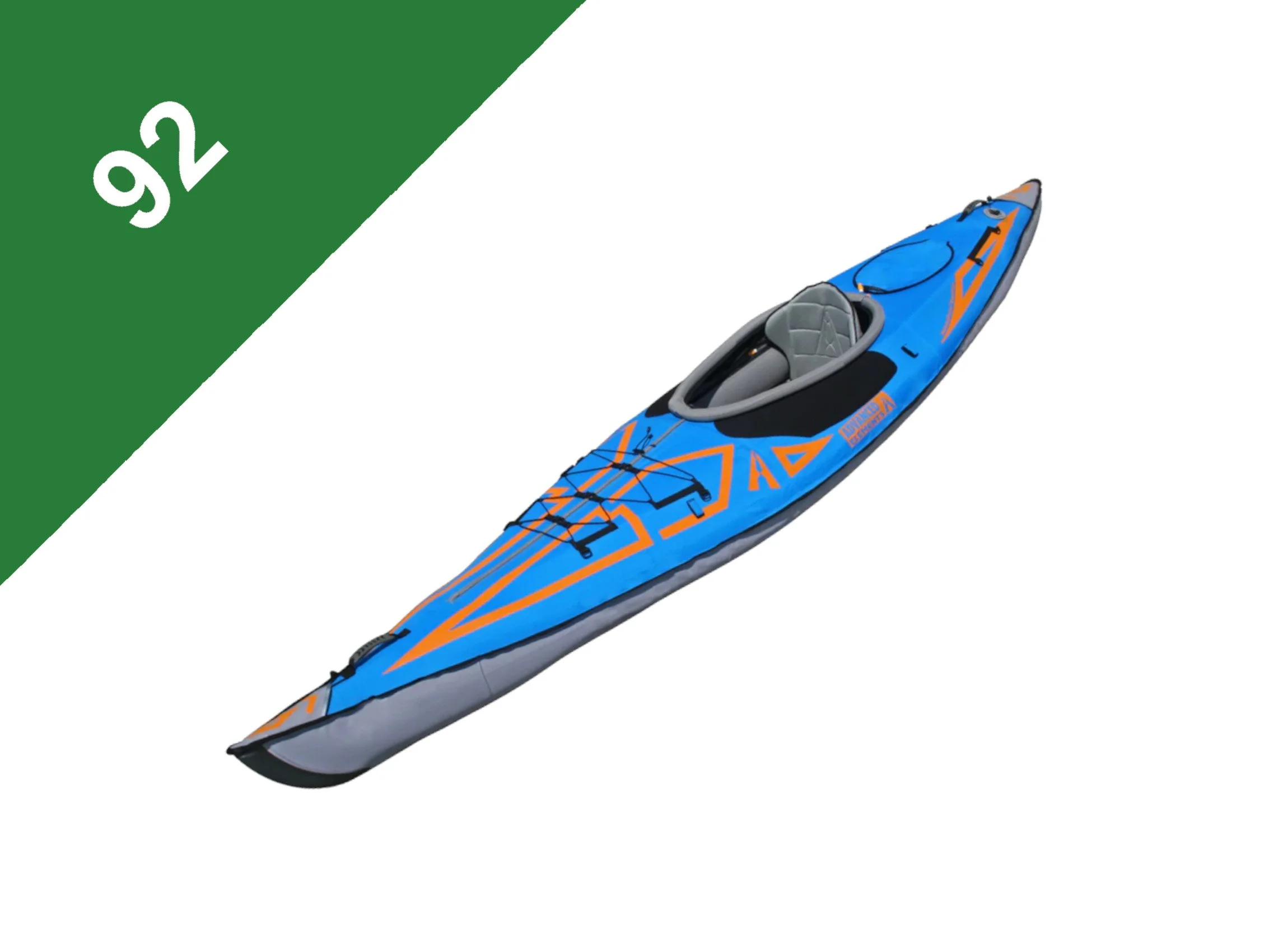
Advanced Elements Expedition Elite
Price At Time Of Writing | $1,997.00
Overall Rating | 92
Performance | 9
Construction | 9
Setup/Pack Down | 6
Portability | 8
Comfort | 10
Open Size - 396x81cm
Weight - 19.1kg
Load Capacity - 204kg
Packed Size - 83x52x26cm
Best For - Touring rivers and lakes with gear
Pros - Strong water performance, lots of storage
Cons - Slow to set up, heavy, long to dry
Overall - Excellent touring kayak if you don’t mind extra effort
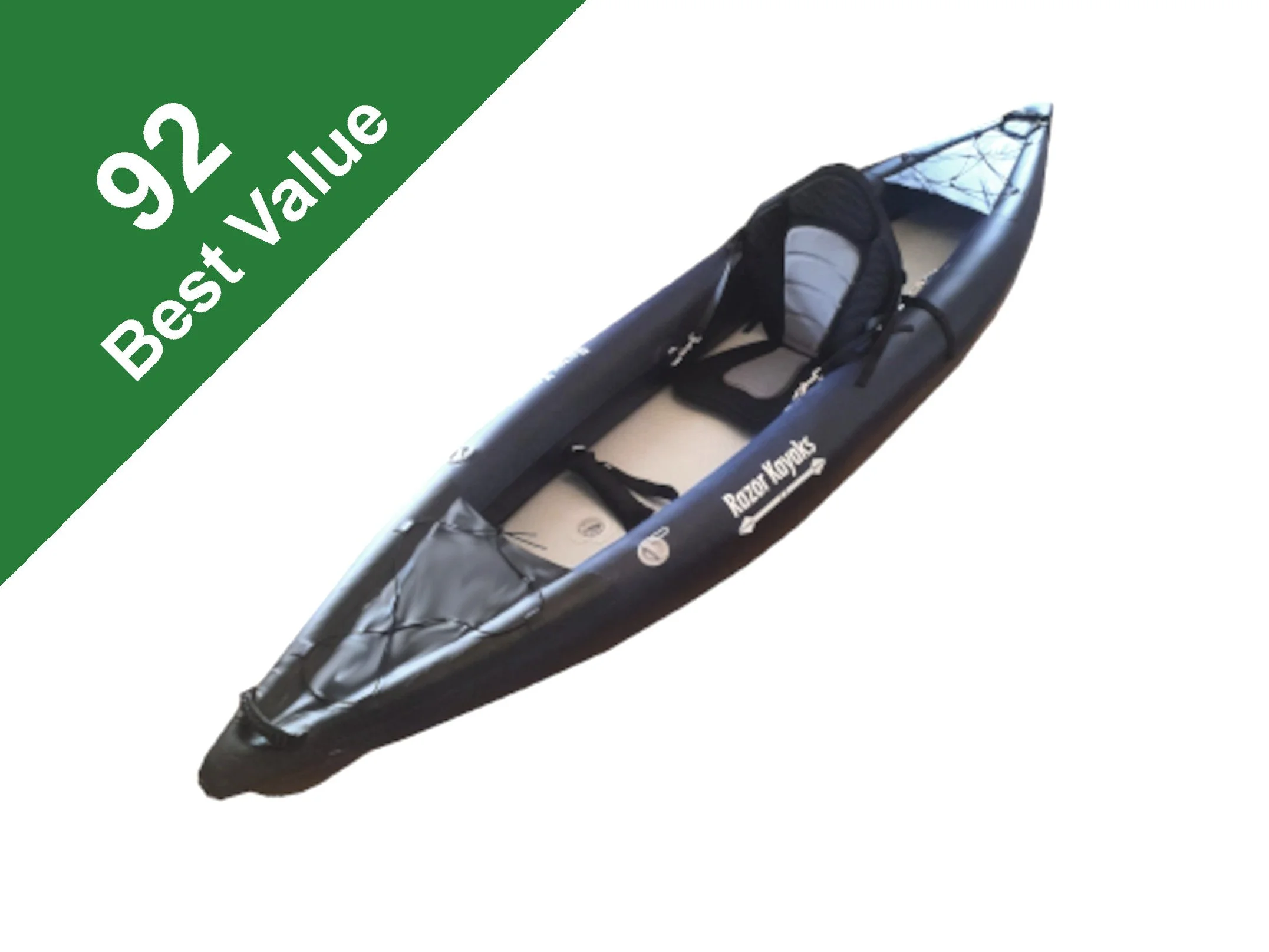
Razor Kayaks R1 Ultra
Price At Time Of Writing | $1195.00
Overall Rating | 92
Performance | 8
Construction | 7
Setup/Pack Down | 9
Portability | 9
Comfort | 9
Open Size - 285x84cm
Weight - 8.2kg
Load Capacity - 179kg
Packed Size - 80x50x35cm
Best For - Calm waters for casual outings
Pros - Very portable, simple setup, stable ride
Cons - Lacks top-end speed
Overall - Stable and great for relaxed outings
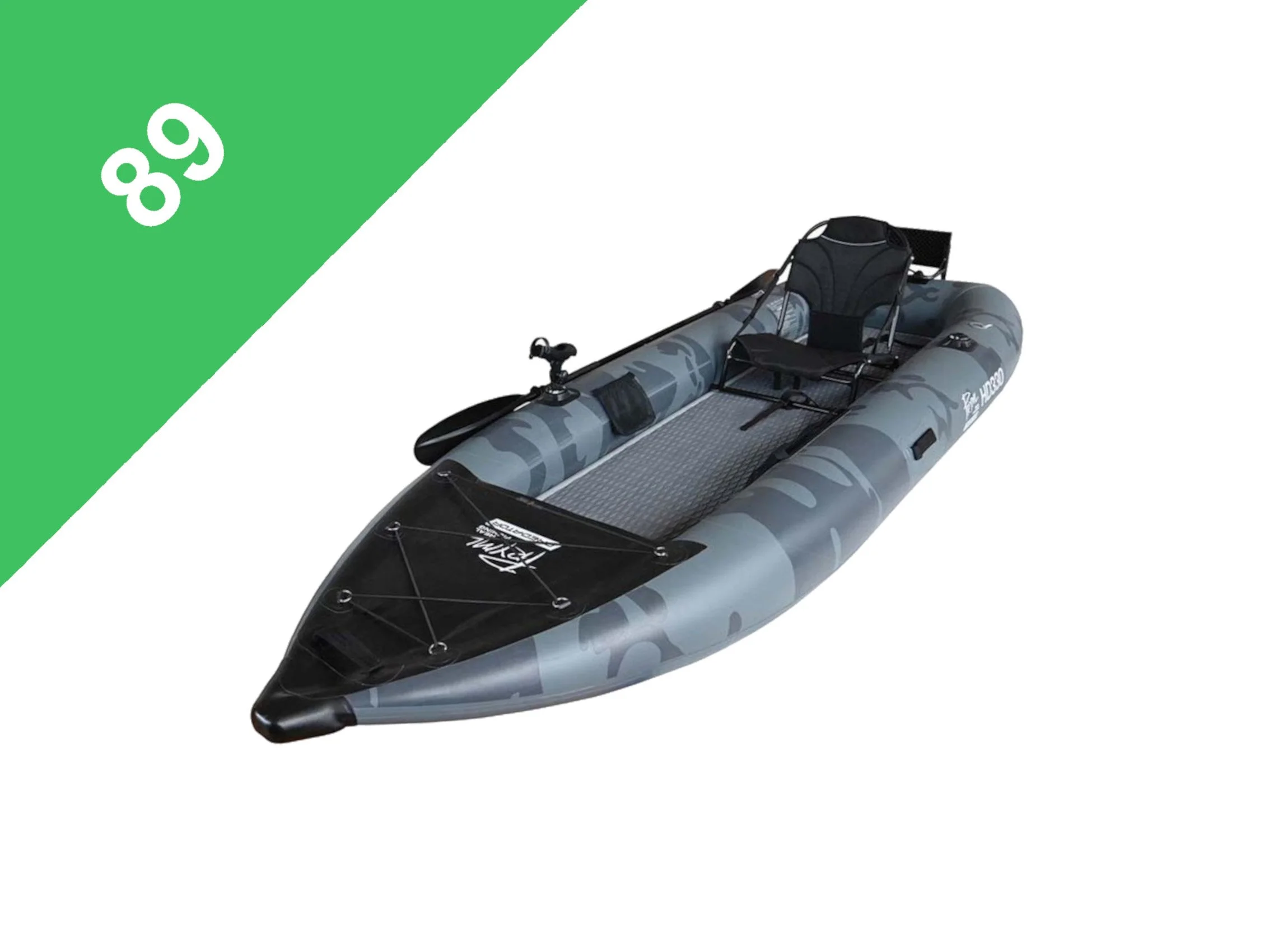
Pryml Predator HD330
Price At Time Of Writing | $1,299.00
Overall Rating | 89
Performance | 7
Construction | 7
Setup/Pack Down | 9
Portability | 7
Comfort | 9
Open Size - 330x110cm
Weight - 30kg
Load Capacity - 200kg
Packed Size - N/A
Best For - Anglers needing a portable, motor-ready platform
Pros - Extremely stable and spacious
Cons - Heavy, a chore to paddle, frustrating bag
Overall - A capable, portable fishing kayak that performs best with a motor
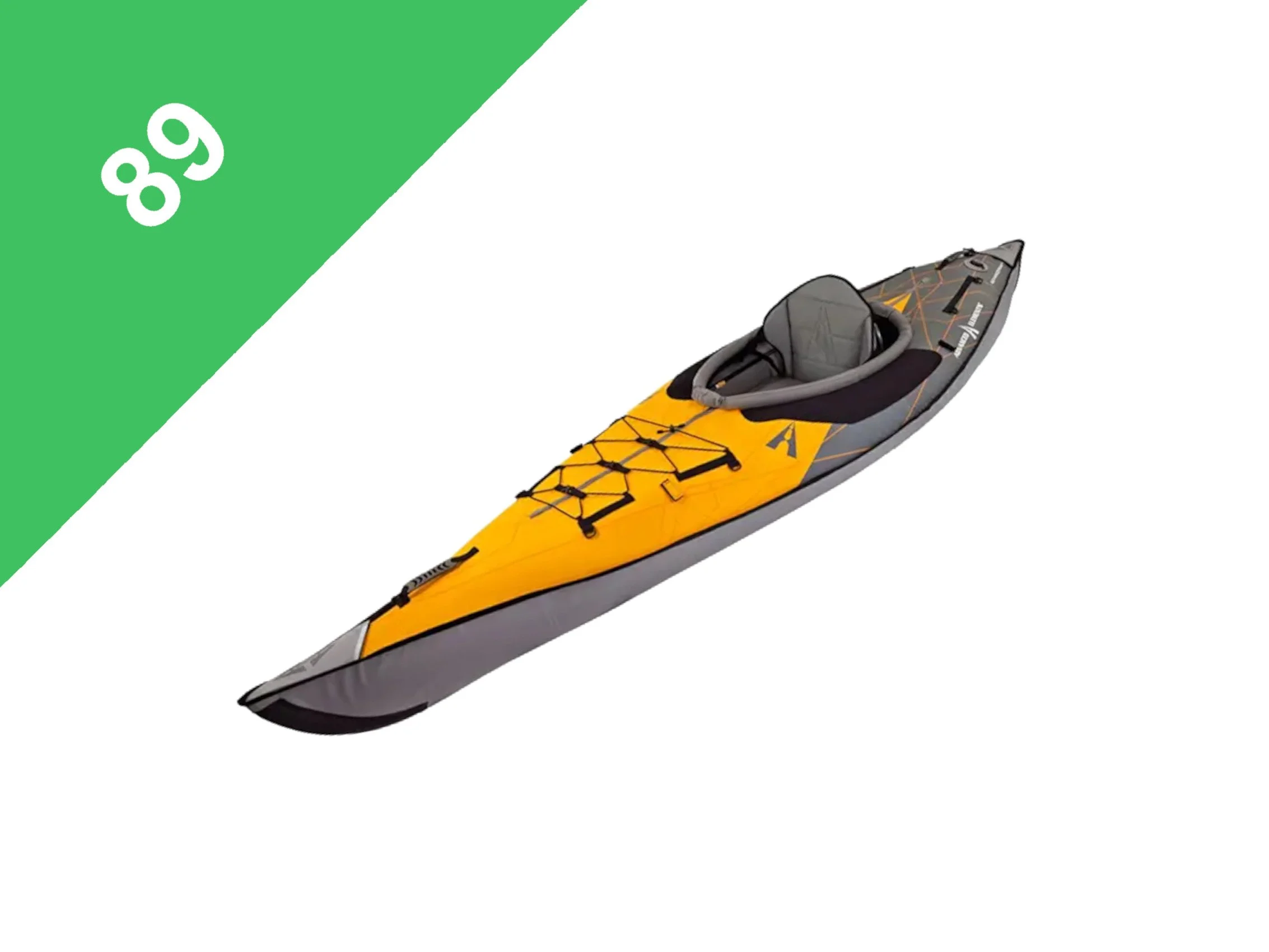
Advanced Elements AdvancedFrame Elite
Price At Time Of Writing | $1,696.00
Overall Rating | 89
Performance | 8
Construction | 8
Setup/Pack Down | 6
Portability | 8
Comfort | 9
Open Size - 317x81cm
Weight - 13.5kg
Load Capacity - 136kg
Packed Size - 76x43x25cm
Best For - Versatile recreation and easy transport
Pros - Lightweight and stable, quick setup, durable
Cons - Cockpit is tight for taller paddlers, folding requires technique
Overall - A high-performing, portable kayak that balances comfort and ease of use
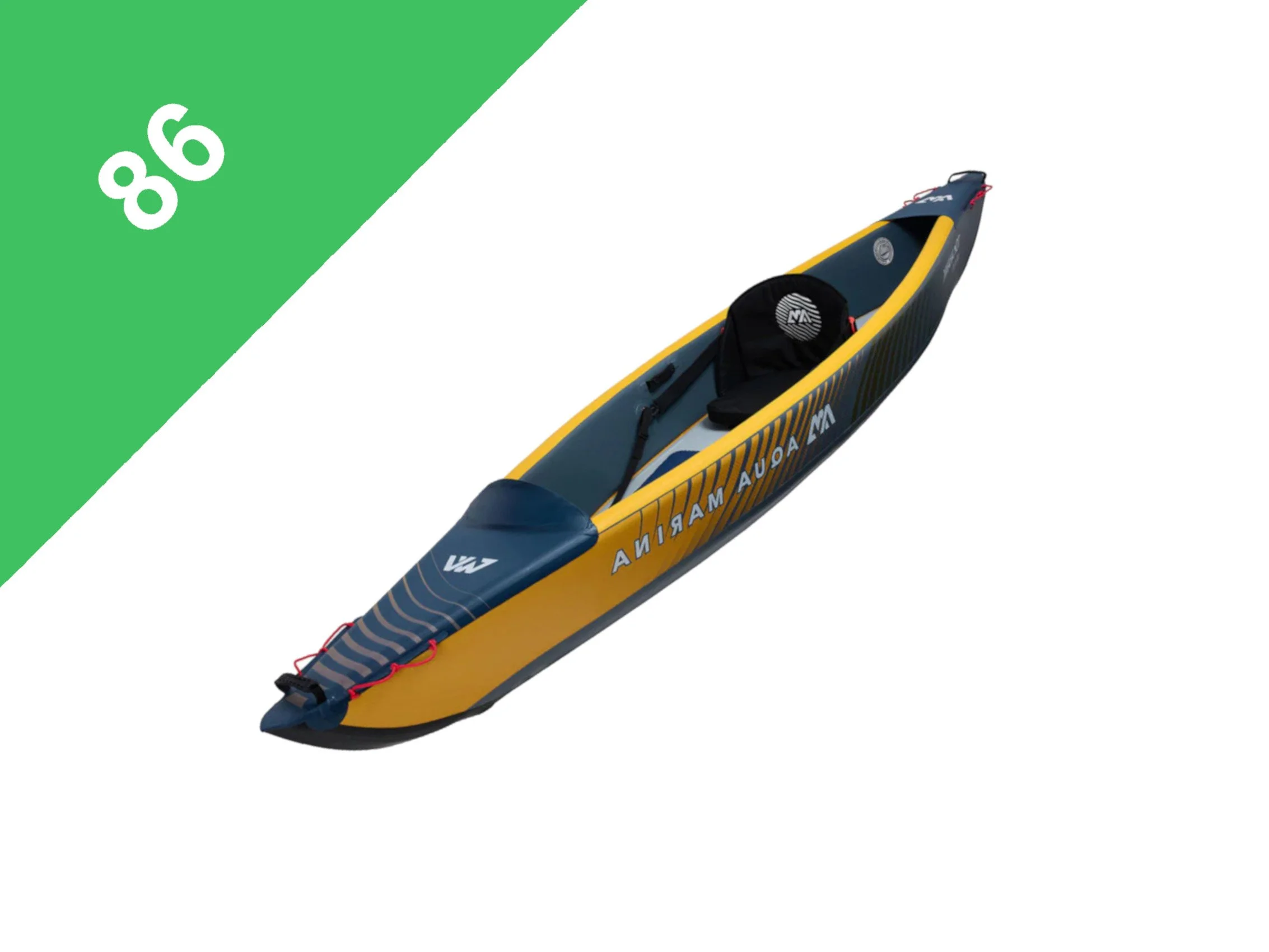
Aqua Marina Tomahawk Air-K 375
Price At Time Of Writing | $999.00
Overall Rating | 86
Performance | 7
Construction | 7
Setup/Pack Down | 8
Portability | 7
Comfort | 7
Open Size - 375x75cm
Weight - 16.5kg
Load Capacity - 128kg
Packed Size - N/A
Best For - Intermediate paddlers wanting hard-shell performance
Pros - Tracking, speed, drop-stitch construction, comfortable seat
Cons - Tricky and lengthy setup, stability, catches wind
Overall - Paddles like a hard-shell but requires patience and skill
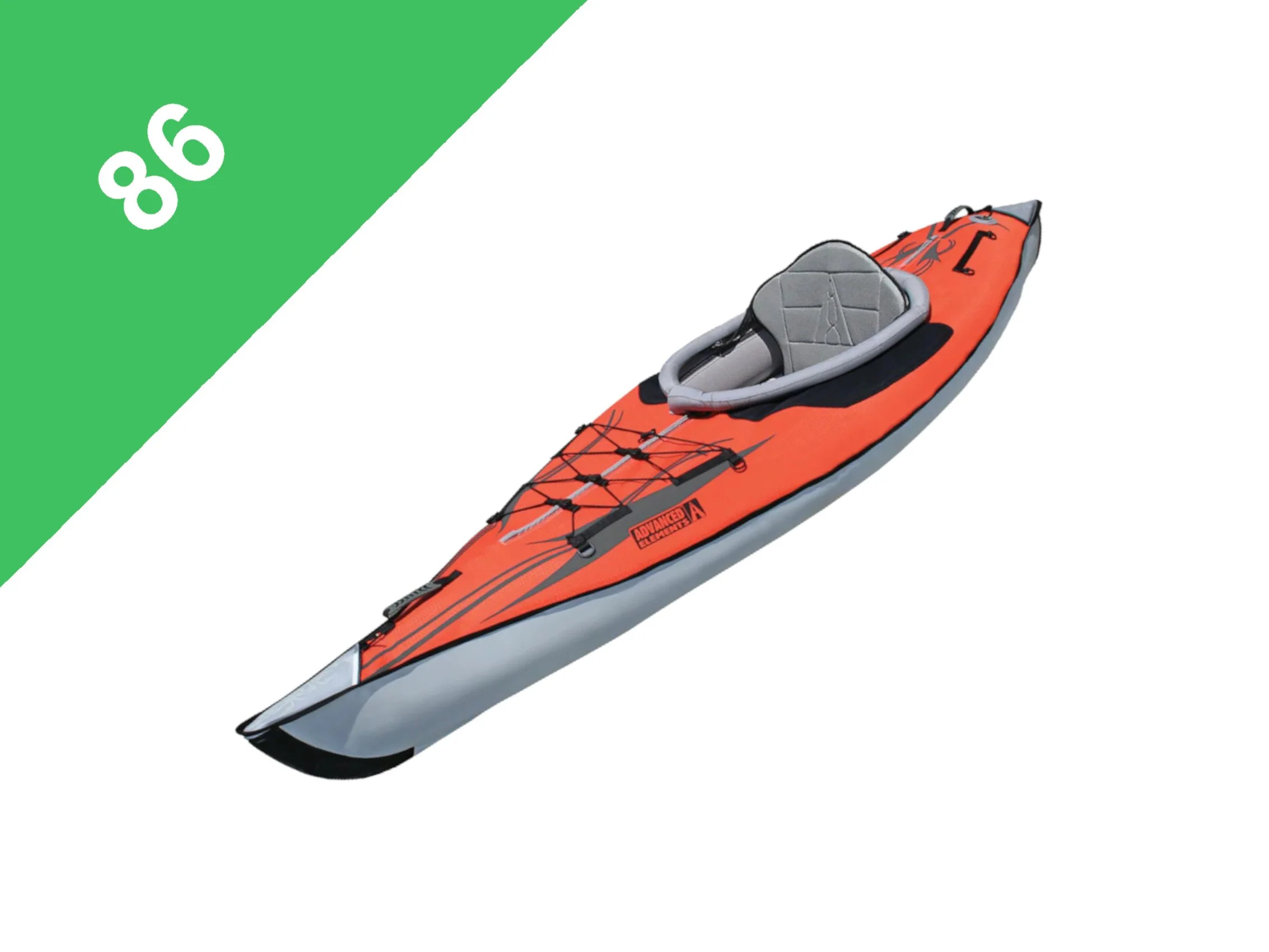
Advanced Elements AdvancedFrame
Price At Time Of Writing | $1099.00
Overall Rating | 86
Performance | 7
Construction | 8
Setup/Pack Down | 6
Portability | 8
Comfort | 7
Open Size - 318x81cm
Weight - 16.3kg
Load Capacity - 136kg
Packed Size - 76x43x25cm
Best For - Touring in comfort
Pros - Comfortable, performs well in the water
Cons - Tedious setup, long drying time, not drop stitch, heavy
Overall - Stable and handles well. Just time consuming to dry it out
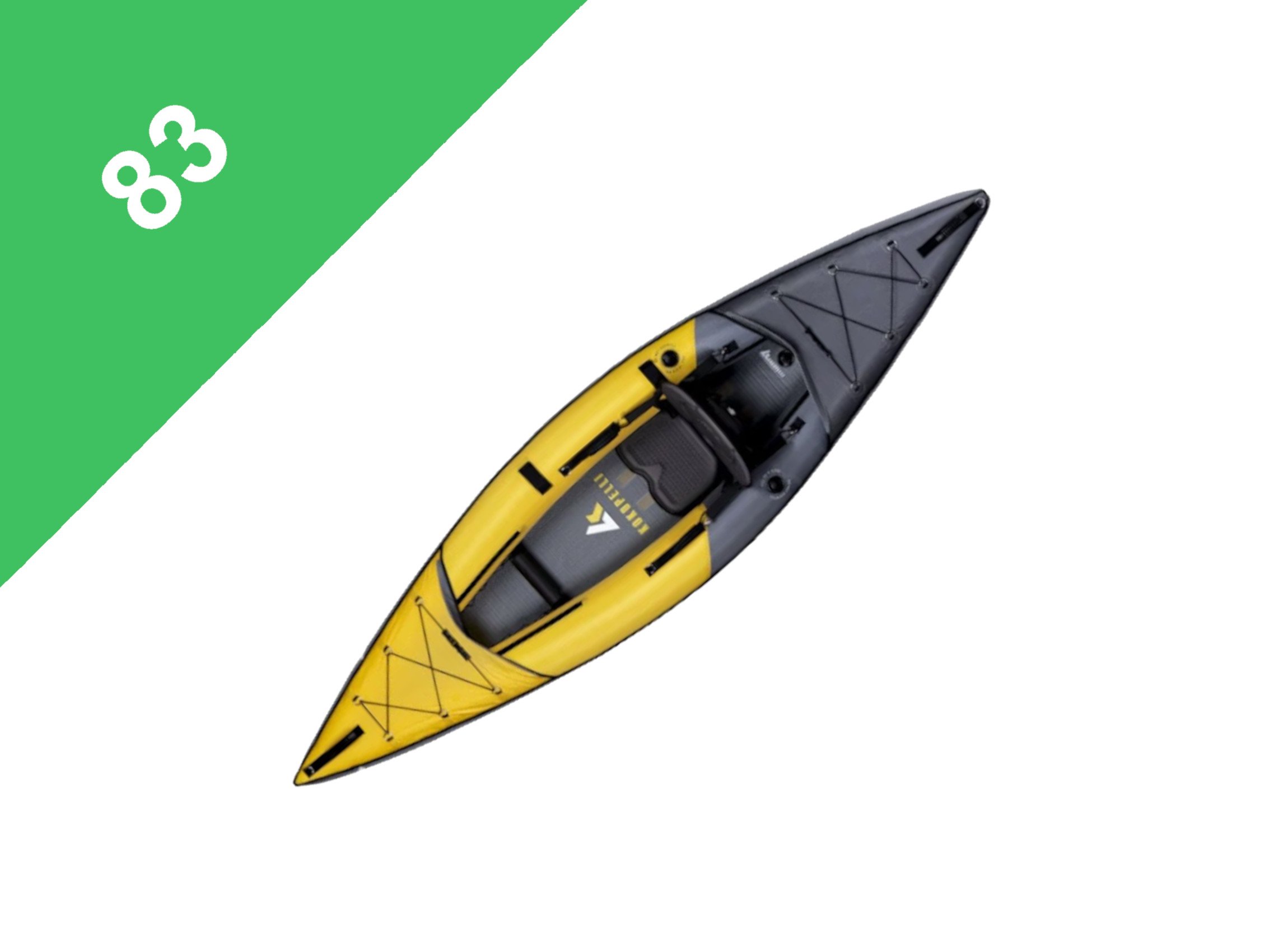
Kokopelli Moki-Lite
Price At Time Of Writing | $799.00
Overall Rating | 83
Performance | 6
Construction | 6
Setup/Pack Down | 7
Portability | 8
Comfort | 6
Open Size - 305x89cm
Weight - 7.8kg
Load Capacity - 181kg
Packed Size - 76x48x15cm
Best For - Casual paddlers needing easy storage and transport
Pros - Stable, rigid, durable, portable
Cons - Awkward to repack, a bit slow, affected by wind
Overall - A practical and convenient inflatable for recreational use
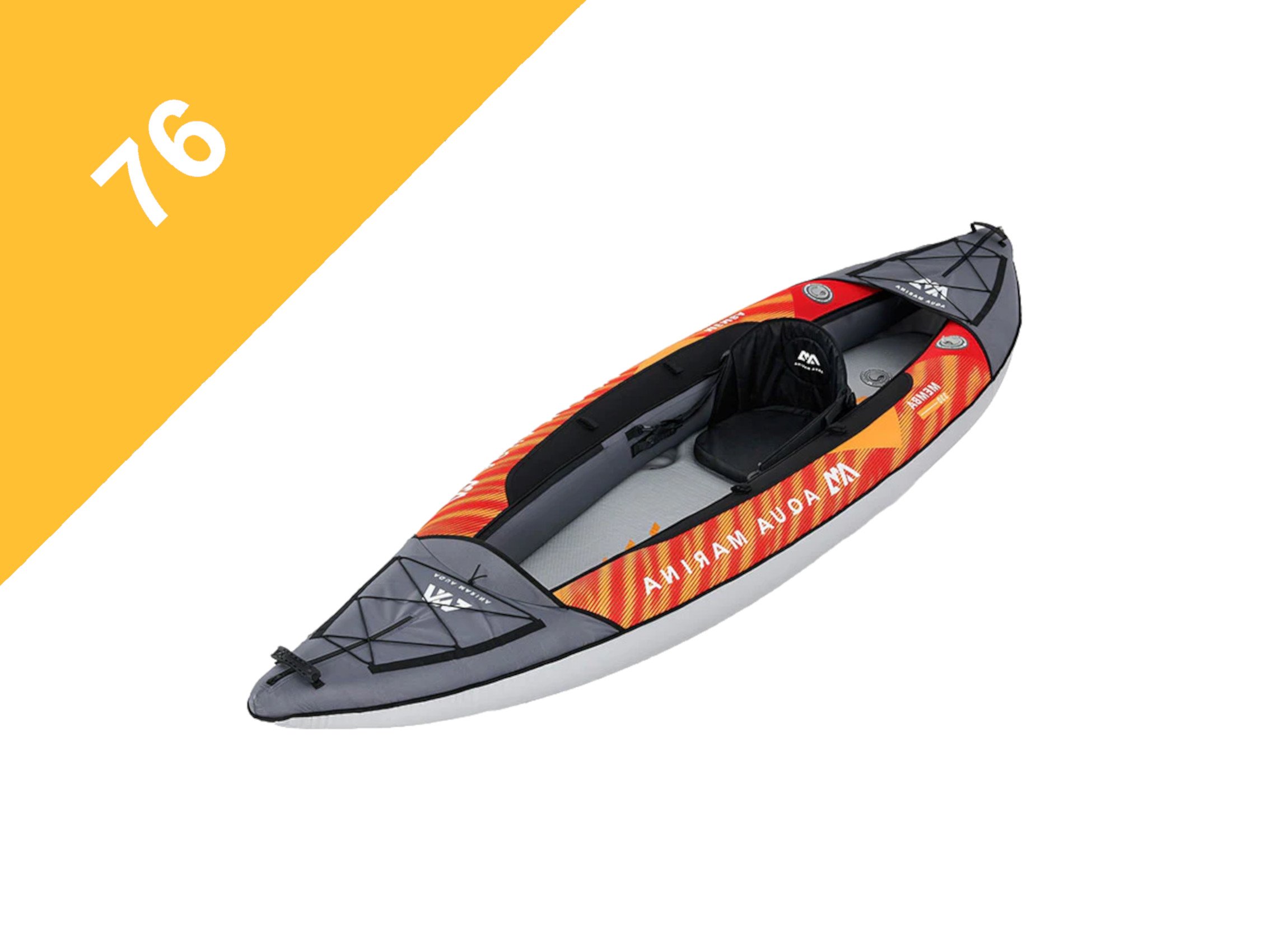
Aqua Marina Memba 330
Price At Time Of Writing | $799.00
Overall Rating | 76
Performance | 5
Construction | 5
Setup/Pack Down | 4
Portability | 7
Comfort | 5
Open Size - 330x90cm
Weight - 13.4kg
Load Capacity - 110kg
Packed Size - N/A
Best For - Beginners and casual paddlers
Pros - Stable, lightweight, rigid drop-stitch floor
Cons - Tracking takes effort, budget accessories, fabric is slow to dry
Overall - An excellent value kayak for relaxed, sheltered water use
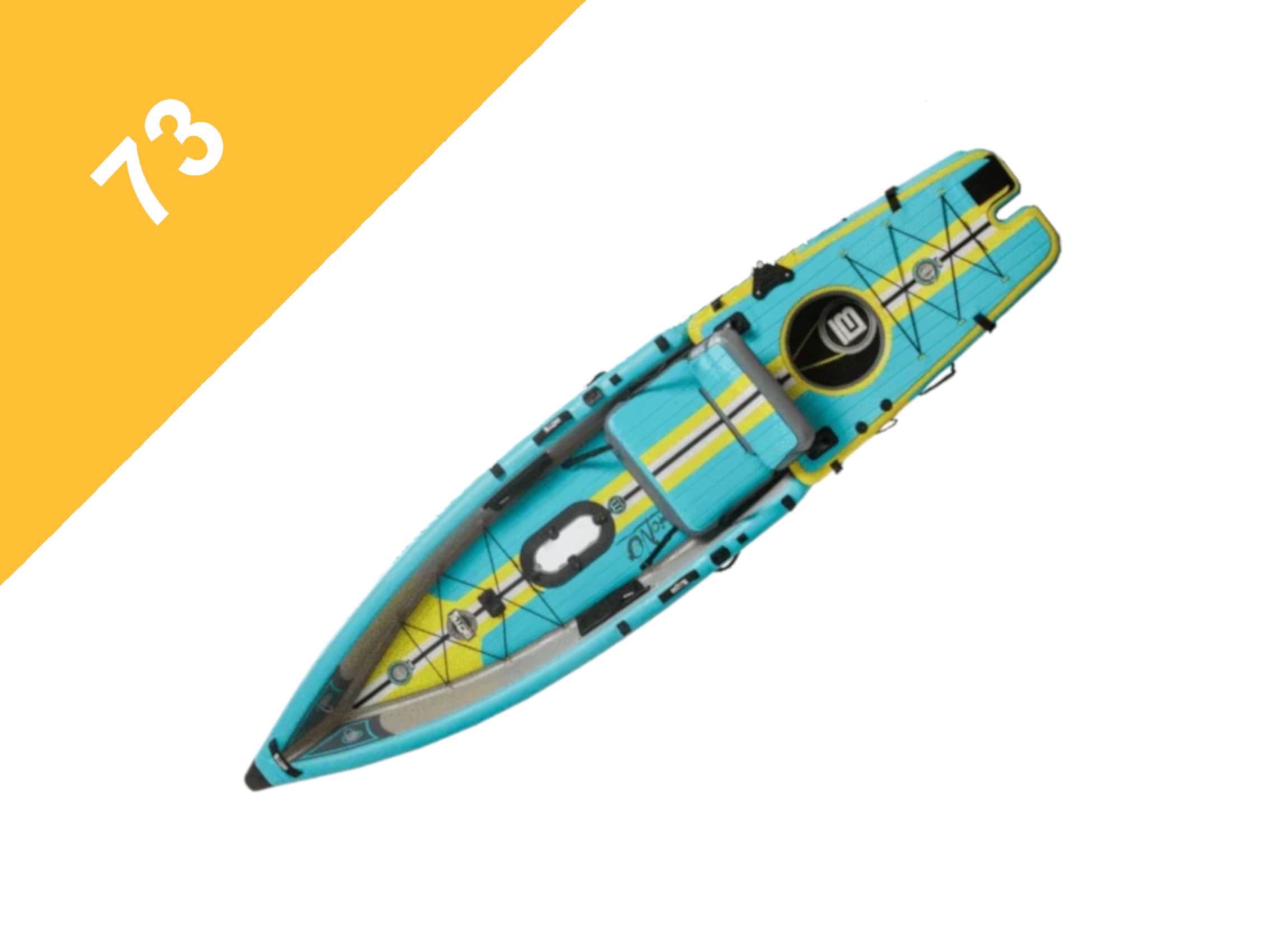
Bote Lono Aero
Price At Time Of Writing | $2,798.00
Overall Rating | 73
Performance | 5
Construction | 8
Setup/Pack Down | 2
Portability | 1
Comfort | 7
Open Size - 381x90cm
Weight - 23kg
Load Capacity - 181kg
Packed Size - 104x48x33cm
Best For - Remote-access fishing, shallow water, anglers who need portability with pedal power
Pros - Comfortable, high-quality build
Cons - Like paddling a bus, heavy, long setup/pack down process
Overall - Best choice for recreational paddlers and anglers on calm water
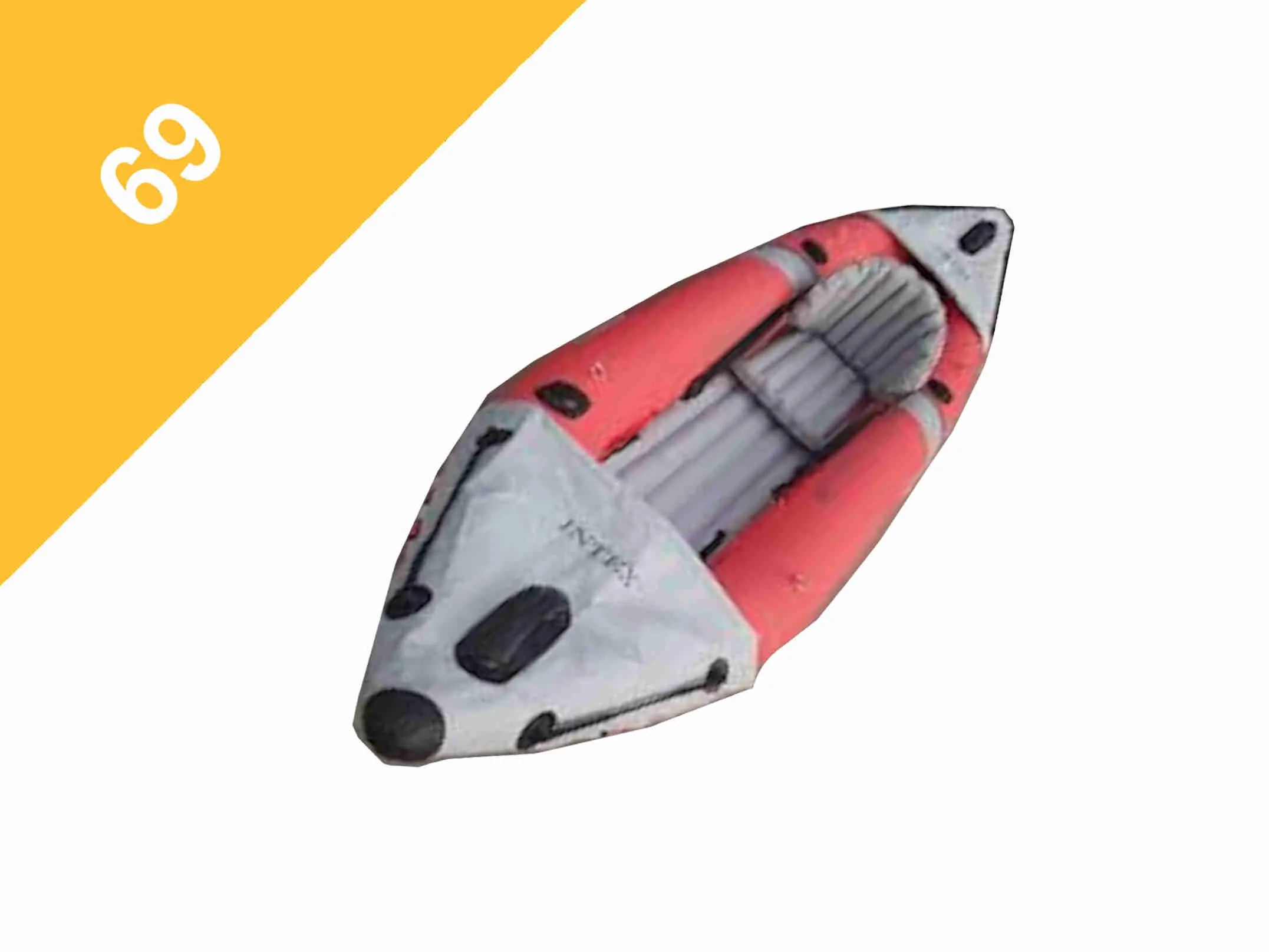
Intex Excursion Pro K1
Price At Time Of Writing | $419.00
Overall Rating | 69
Performance | 4
Construction | 2
Setup/Pack Down | 5
Portability | 4
Comfort | 4
Open Size - 305x91cm
Weight - 17kg
Load Capacity - 100kg
Packed Size - 58x50x32cm
Best For - Budget-friendly recreational use
Pros - Stable, easy to dry
Cons - Slow, not very durable
Overall - Stable handling, but slow and made with thin materials
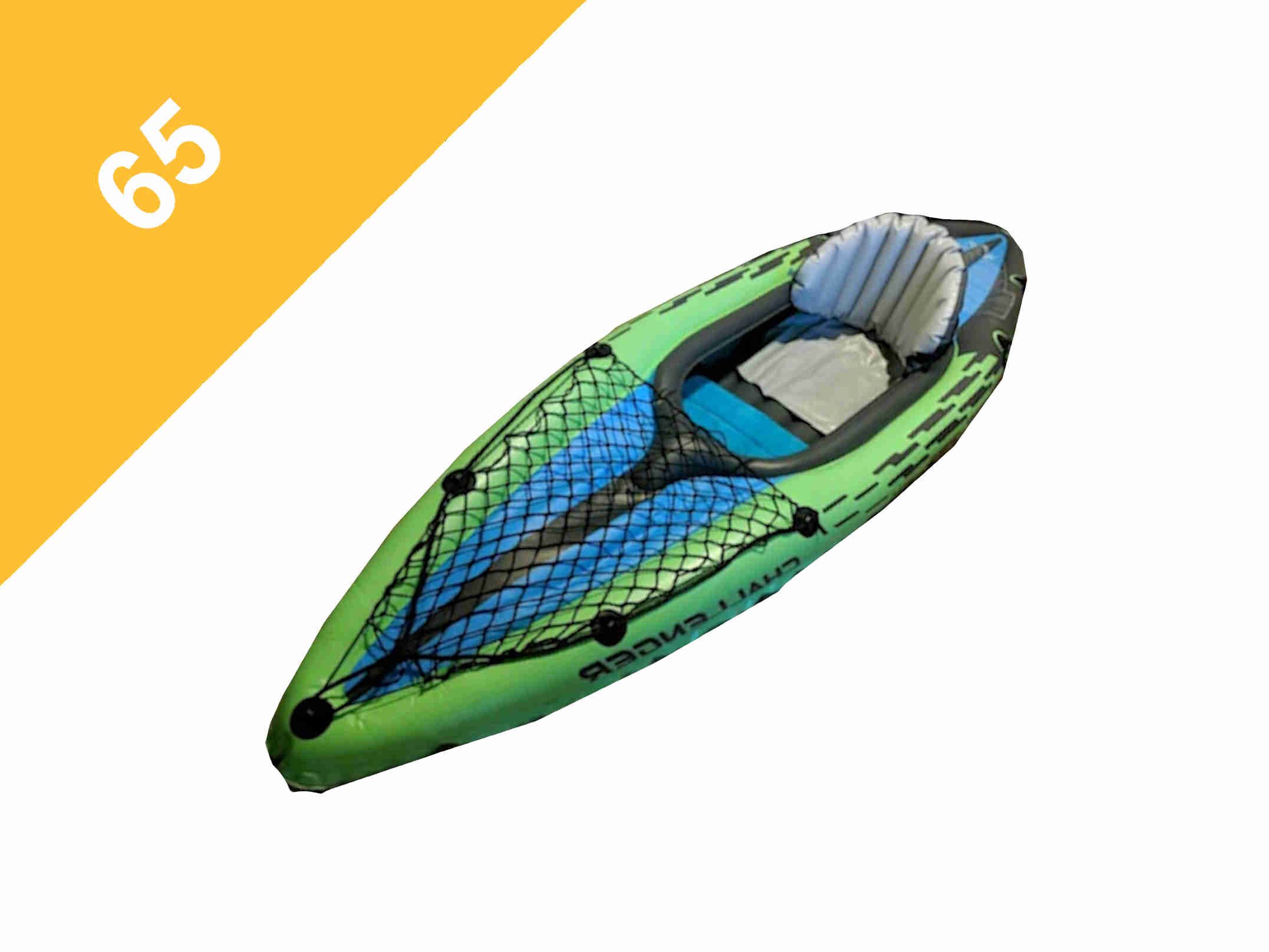
Intex Challenger K1
Price At Time Of Writing | $159.00
Overall Rating | 65
Performance | 3
Construction | 2
Setup/Pack down | 5
Portability | 3
Comfort | 2
Open Size - 274x76cm
Weight - 13kg
Load Capacity - 100kg
Packed Size - 59x41x22cm
Best For - Entry-level paddlers on a tight budget
Pros - Handles okay, easy to dry, affordable
Cons - Small cockpit, poor materials, slow, tracks poorly
Overall - Feels like you’re in a pool toy
Looking for just the video? It lives here: Best Inflatable Kayaks in Australia for 2026.
Our inflatable kayak review in video, category by category
Our inflatable kayak review in video, category by category
Advice we’d give to a friend
The Basics
How do they actually perform in the water? - Initially, we thought when we started our inflatable kayak reviews, there was no way these kayaks could perform as well as a conventional kayak. What we actually found is that the high-end full drop stitch and foldable kayak models are just as good as many hard shell kayaks and in some cases, they can actually outperform them. For more information on how drop-stitch affects inflatable kayak performance, watch our in-depth drop-stitch explainer.
Will they puncture or fall apart? - The short answer is NO! The best inflatable kayaks are incredibly durable, some being 1,000 denier (density) plus material. To put it into perspective, similar materials are used in the rescue boats that lifesavers use. They are highly puncture-resistant and virtually unsinkable. In saying that, some of the cheaper models e.g., Intex Challenger, are made of more flimsy materials, so we would avoid those if we were going on any serious adventuring.
How onerous is setup? - Typically, setup and pack down are pretty quick, but it really depends on the kayak. Some, like AdvancedElements, have multiple inflation points, 7+, and take a long time to dry, which we found a bit tedious, but others, such as the foldable kayak models or inflatables with around three inflation points, were quite easy to set up.
Should I get an inflatable kayak? - Yes. Aside from the obvious storage benefits, they really open up new doors to explore the wilderness. Given they are so portable and handle well in the water, a good transportable kayak is something you’ll get good use out of.
How long do inflatable kayaks last? - We can’t see any issues with durability and think they will last for years without issue. The best kayaks, in particular, are made from quality materials and are well-constructed. The same can’t be said for some of the cheaper models and you will get what you pay for with them. Proper care will improve longevity.
Budget
When it comes to foldable kayaks and inflatable kayaks, price does typically matter. There are always exceptions to the rule, but at the time of writing, we could break the market into three categories:
Over $1,200 - This will typically get you an excellent, well-crafted kayak that will perform well in the water.
$800 to $1,200 - These kayaks are still durable but will usually be a bit slower and bulkier in the water than some of the high-end models.
Under $800 - We find kayaks in this range are either poorly crafted, made of cheap materials that will puncture, or are so slow in the water that it’s unpleasant to paddle. We suggest spending a bit more so you don’t buy something you’ll regret.
Think about how you will use it
If you are looking for something to use for regular exercise or touring on multi-day trips, it’s best to spend the money on getting something in the $1,200+ range. If it’s just for recreation, fishing, or going kayaking with the dog or kids, the kayaks in the $800–$1,200 range typically have a bit more space and will be more durable than cheaper models.
Inflatable vs. Foldable Kayaks?
It’s hard to pick a winner. Inflatable kayaks are typically more stable and versatile, but foldable kayaks can be smoother in the water and there is no need for a pump. Both have their merits - we tend to just slightly lean towards inflatable kayaks for the reason that if you capsize or otherwise manage to fill them with water, inflatable kayaks will still float, whereas foldable kayaks will sink.
Considerations for Australian Conditions
When choosing a 1-person kayak in Australia, there are a few extra things to think about beyond the basics:
UV resistance & sun damage- We know Australia’s sun is harsh. Even high-quality inflatable or foldable kayaks can degrade over time if left exposed, so look for models with UV-protected materials, or consider storing your kayak in a shaded area when not in use. Applying a UV-protectant spray occasionally can help extend the life of your kayak.
Storage and transport- Many Australians drive smaller cars or have limited storage space. Inflatable kayaks pack down nicely, but even foldable kayaks can be bulky. Before buying, check the packed dimensions to make sure it will fit comfortably in your car or storage space at home.
Local warranty and repair availability- Buying from brands that have Australian distributors is a big plus. It makes warranty claims easier and parts like pumps, replacement valves, or repair kits are readily available. If something goes wrong on a remote trip, having local support can save a lot of stress.
Heat, humidity and wet storage- Australian conditions can be humid or very hot, especially in summer, so make sure your kayak dries fully before packing away to prevent mildew and store it in a cool, ventilated area.
Accessibility for repairs- Even the best kayaks may need minor repairs after a long season. Having a kayak brand with local service centres or easily obtainable repair kits makes maintaining your kayak much simpler.
Saltwater vs freshwater use- If you plan to paddle in the ocean, consider how saltwater will affect your kayak. Some kayaks handle saltwater better than others, so check manufacturer guidance for suitability.
Pro Tip: After a saltwater trip, rinse thoroughly with fresh water after every trip to avoid corrosion or fabric degradation.
These considerations will help you pick a kayak that lasts longer, performs better and is practical for Australian conditions, whether you’re exploring coastal bays, rivers, or inland lakes.
Safety Checklist
Wear a Legal Lifejacket (PFD) - It's actually mandatory across all Australian states and territories for vessels of inflatable kayak size!
Check Local Safety Guidelines - Familiarise yourself with state-specific rules and safety equipment requirements. For detailed safety guidelines, check out Paddle Australia.
Carry Essential Safety Gear - Always have a repair kit, spare paddle and a whistle with you when paddling.
You can learn more about inflatable kayak safety here (coming soon).
Ratings By Category
Method
After reviewing the market, we pick what we think will be the best kayaks in each category from a variety of retailers. Each product selected gets 50 points automatically just for being selected. We then perform field tests and in-person assessments to rank them out of 10 on the following categories: Performance, Construction, Setup/Pack Down, Portability and Comfort.
Rankings are adjusted or weighted based on importance and how much they vary, e.g., some categories will be categorised from 1 to 10, whereas others will be categorised from 4 to 9, etc., but there are sometimes outliers as well. We have tried our best to paint an accurate picture of how we rate each kayak overall and why.
If you are looking for an Inflatable Kayak in Australia, this is where we hope to provide you with all the info you need. We believe a good inflatable kayak review should provide you with all the info you need to decide, whether you are looking for the best fishing kayaks or outright best kayaks.
Testing Methodology
All the kayaks we review are tested hands-on, in real paddling conditions. Once out there, each model goes through a setup and inspection phase, where we check its build quality, valve integrity, seam strength and how easy it is to inflate and then pack down. We also measure weight, dimensions and carry size to confirm whether they match the manufacturer’s claims.
Then, we take the kayaks out for a series of performance trials. This includes testing speed over distance, how the kayak tracks in calm and cross-wind conditions, its maneuverability, its stability with and without gear, and how comfortable it is to ride in over longer paddles. We also test how the kayak handles at different load levels and in mild chop to simulate real Australian conditions.
Finally, we assess how durable and usable the kayak is by repeating inflation cycles, inspecting for wear after use on typical launch surfaces and testing how portable it is for car-to-shore carrying. Scores across these areas are then weighted into our category ratings, so the overall ranking reflects not just specs on paper, but how the kayak performs in practice.
Want the full breakdown of our testing process? Click the drop-downs below to learn about our detailed methodology.
To make sure that our reviews and rankings reflect real-world performance, each inflatable (or foldable) kayak is subjected to a structured evaluation process. We combine hands-on field testing, controlled measurements and durability checks. Below is a breakdown of how we test, what we measure and how those results feed into the ratings.
-
Before taking a kayak on water, we do an initial inspection, along with baseline checks:
Unboxing and Content Check - Confirm all parts (valves, repair kit, pump, footrests, seats) are present and exactly as the manufacturer advertises.
Material and Construction Inspection - Visually and physically inspect seams, welds or stitching, fabric layering, valve quality, attachment points, D-rings, handles, fins, etc.
Inflation and Leak Test - We inflate the kayak to its recommended PSI. We then monitor pressure over a 24-hour period (or a few cycles of inflation/deflation) to check if there are any leaks or a pressure drop. We also submerge suspicious seam areas or use soap-solution ‘bubble tests’ to locate leaks.
Weight and Geometry Measurement - With precision scales and measuring tools, we also record:
• Inflated weight (without gear)
• Load capacity (manufacturer spec)
• Fully inflated dimensions (length, width, chamber shapes)
• Packed size/folded dimensions
• Floor thickness (for single/double drop-stitch)
-
We take each kayak through a series of comparable real-world trials on freshwater lakes, slow rivers and, where possible, coastal or tidal waters. Our general aim is to see how each kayak behaves in standard paddling conditions.
Straight-Line Speed Test - We paddle the kayak over a fixed 200m distance (in calm water) under controlled conditions (same paddler, same paddle, no gear). We then record the time and calculate a ‘meters per minute’ speed metric.
Tracking - We test how easily the kayak maintains its line without too much side-to-side yaw, especially in mild currents or crosswinds. We also track deviation from a straight line over a fixed distance.
Maneuverability and Turning - Next, we perform tight turns (pivoting, S-curves) in a controlled zone and measure the turning radius and how easy it is to change direction.
Stability and Secondary Stability - We also test the kayak’s initial (static) stability by slowly tilting it to each side and try to determine how much lean before water starts to get inside or until it feels unsteady. In moderate chop or wake, we test how comfortable it remains (secondary stability).
Load and Trim Performance - We repeat speed and handling tests with the kayak loaded to around 50% and 80% of specified capacity (gear, water, paddler). This helps us determine how performance degrades under real use.
Wave/Chop Tolerance - Then, where conditions allow, we paddle across moderate chop or small swell to see how well the kayak tracks, how much spray enters and how forgiving the hull is in these kinds of waters.
Bracing/Recovery - If the kayak model allows, we test low bracing or how easy it is for us to re-enter the kayak, as this is especially important in surf or coastal zones.
Comfort Over Distance - We paddle a 5–10km stretch (or as long as practical) to test fatigue, cockpit ergonomics, seating comfort, legroom, backrest, footrests, potential chafe points and fatigue after long periods of use.
Setup/Pack-down Speed and Ease - Also important, we time how long it takes to fully inflate the kayak (to working pressure), rig seats and any accessories and then deflate, dry, fold/roll and stow back into its bag. We also check how intuitive or fiddly the steps are (e.g. mismatched valves, awkward folds, water retention).
Portability and Carry Testing - Finally, we test how easy it is to carry (from car to launch) with or without gear. This includes how comfortable the carry bag is, strap layout, weight balance and handling of awkward loads.
-
To figure out how the kayak will fare after long-term use, we conduct stress tests and accelerated wear checks, including:
Abrasion and Scuff Test - We drag the kayak (inflated) over typical surfaces (rocks, sand, rough launching zones) in a controlled trial, then check it for signs of abrasion or seam stress.
Valve Cycling and Flex Test - While this takes time, we repeatedly inflate and deflate the kayak (dozens to hundreds of cycles) to check for valve fatigue, leaks, or microcracking.
UV and Weather Exposure - Where possible, we expose the kayak or a section of it to UV light, salt mist, or drying/rewetting cycles to see how coatings, adhesives, or fabrics respond.
Attachment Point Stress - We also apply tension to handles, D-rings, bungee tie-downs and check for delamination, seam separation, or deformation.
Repair and Puncture Resistance Test - Finally, we use a standard puncture tool to mimic minor scrapes (‘nail shim’ tests or 1–2 mm punctures) and see how the material resists damage or how well repair patches adhere.
-
Each kayak is scored (typically out of 10) in these core categories:
Performance - Covers around 25–30% of the score and focuses on speed, tracking, handling and stability under load.
Construction - Covers around 20–25% of the score and focuses on material quality, seams, valves and wear resistance.
Setup/Pack-down - Covers around 10–15% of the score and focuses on ease, speed and intuitiveness of inflation/stowage.
Portability - Covers around 10–15% of the score and focuses on weight, bag fit and carry ease. We also adjust this to account for material quality in order not to unfairly elevate kayaks that may be extremely portable but of poor quality.
Comfort - Covers around 10–15% of the score and focuses on seating comfort, legroom, fatigue and adjustability.
To convert these scores into our existing overall rating (e.g. out-of-100 or “Overall Rating”), we normalise each category score, apply any category multipliers and then sum them. We also include a base ‘selection bonus’ of 50 points and adjust for outliers (models that significantly over- or under-perform in one dimension).
Throughout, we strive to maintain consistency: the same paddler (or paddlers of the same height and weight) use the same gear/paddles where possible, test conditions are repeated for fairness and notes are kept on environmental variables (wind, water current, temperature).
Performance
Performance looks at four main elements: how fast it is in the water, how manoeuvrable it is, how well it paddles in a straight line and stability.
Across the range, performance varies massively depending on the kayak’s construction and how well it holds its shape on the water. Models with rigid drop-stitch floors or built-in frames, like the Razor Kayaks Edge Pro 1, Advanced Elements Expedition Elite, AdvancedFrame Elite and high-pressure kayaks such as the Tomahawk, glide straighter and faster with far less effort, making them feel closer to hard shells. They cut through chop, hold a line well and give you a stable, predictable platform even in a bit of wind. We’ve ranked the Razor Kayaks highly in our reviews, so, if you’re interested, check out a comparison between them here. On the other end, softer or budget inflatables like the Kokopelli Moki Lite, Intex Excursion Pro and especially the Challenger tend to wiggle side-to-side, lose speed quickly and need constant correction in anything more than calm water. Meanwhile, ultra-stable fishing platforms like the Pryml Predator sacrifice paddling efficiency almost entirely, shining only when paired with a motor.
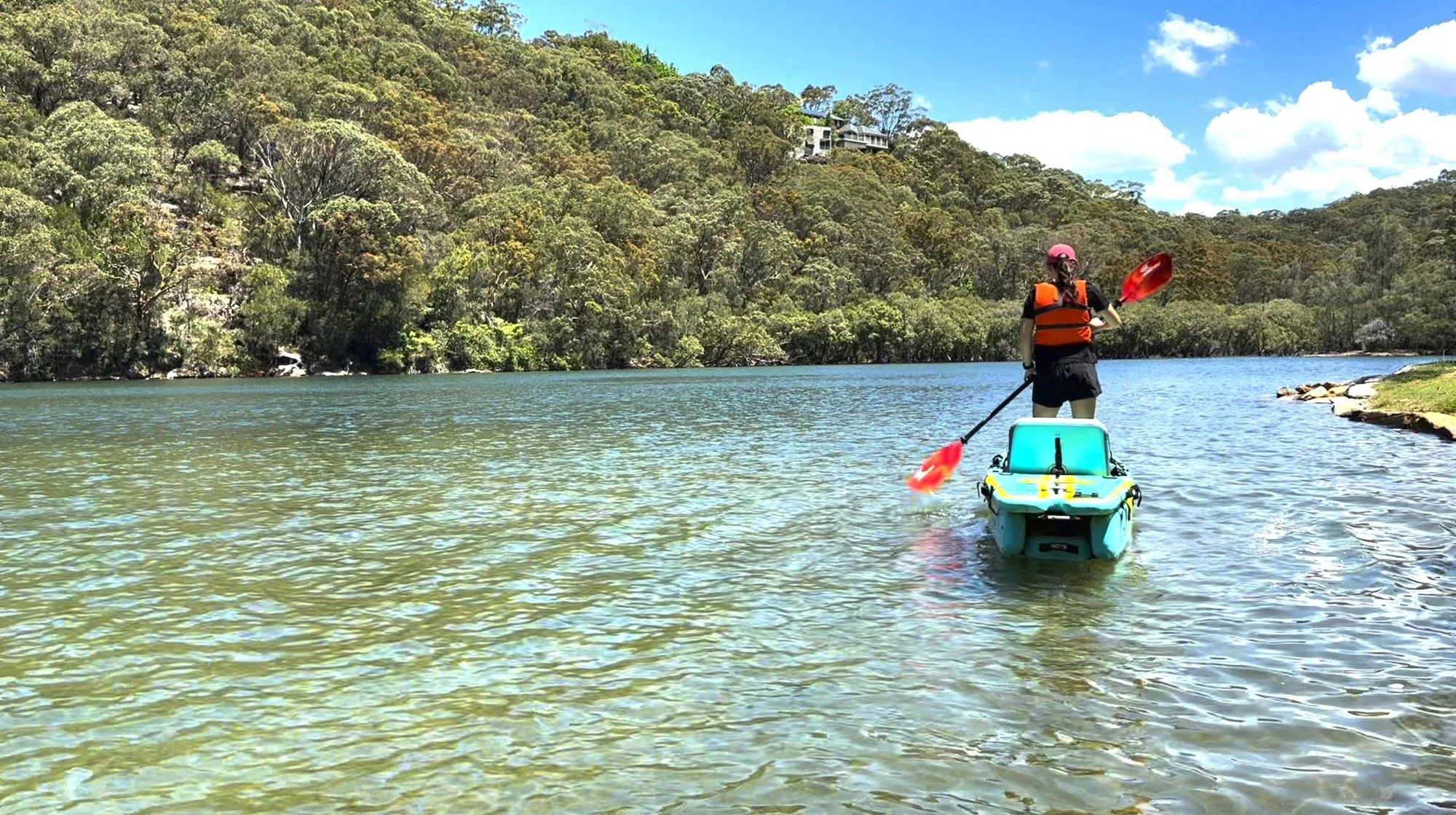
Testing standing stability on the Bote Lono
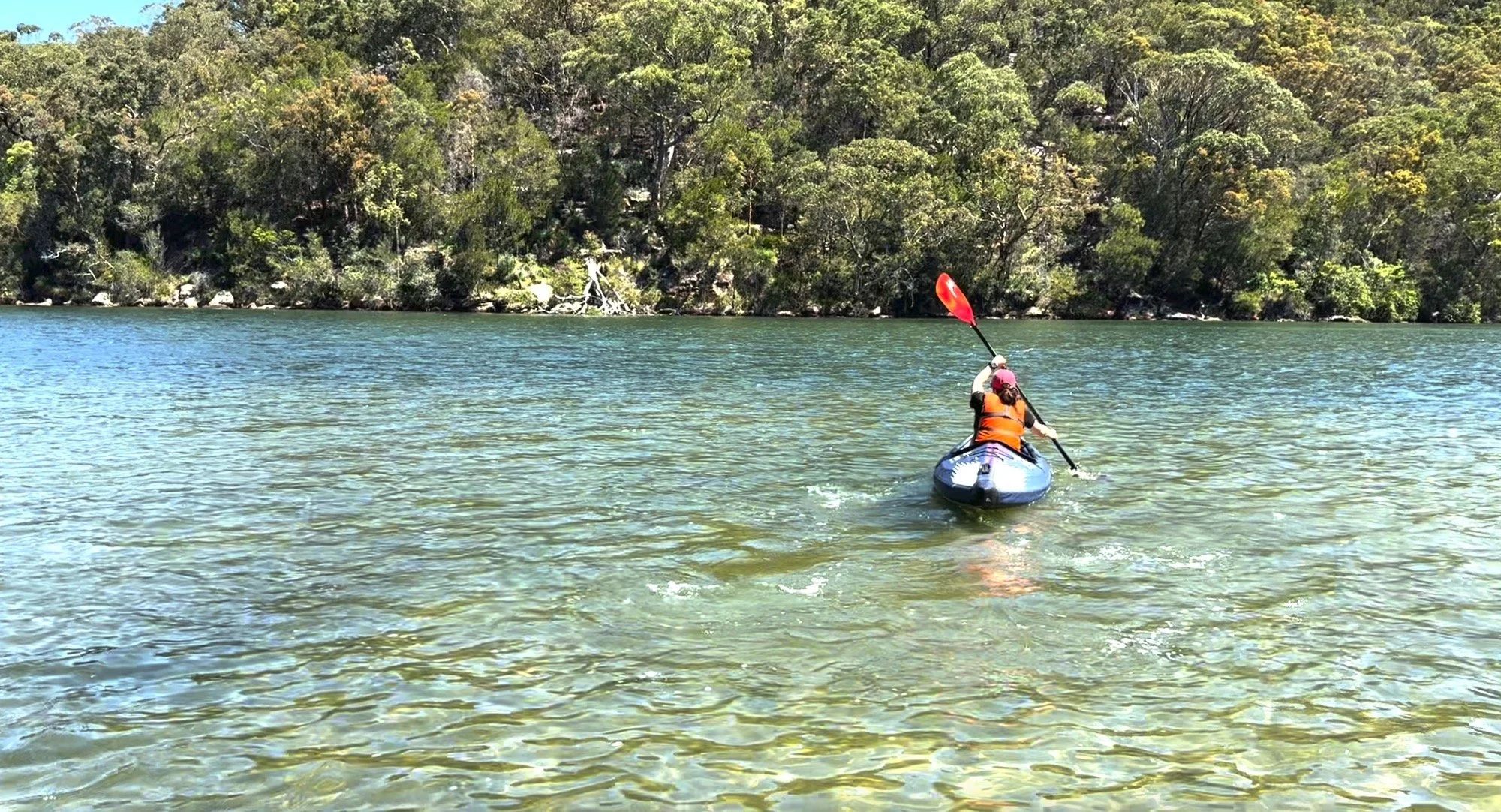
Razor Kayaks Edge Pro Straight Paddling

Construction
Construction looks at four main elements: durability, design, quality of materials and craftsmanship.
When it comes to construction, the gap between the cheaper inflatables and the premium models is huge. Basic kayaks like the Intex Challenger or Edge Pro are made from thin vinyl that feels more like a pool toy, which are fine for light use, but far more prone to punctures and wear. Step up to brands like Advanced Elements, Aqua Marina, or Razor Kayaks and you’re dealing with proper multi-layer fabrics, drop-stitch floors and reinforced PVC that create a far stiffer, tougher kayak that holds its shape on the water. Designs like the AdvancedFrame series use aluminium ribs and ripstop materials, while the Tomahawk and Memba rely on thick, high-pressure drop-stitch panels that feel almost like a hard shell. Even fishing models like the Pryml Predator push inflatable durability to the limit with thick PVC, EVA deck pads and rigid platforms.
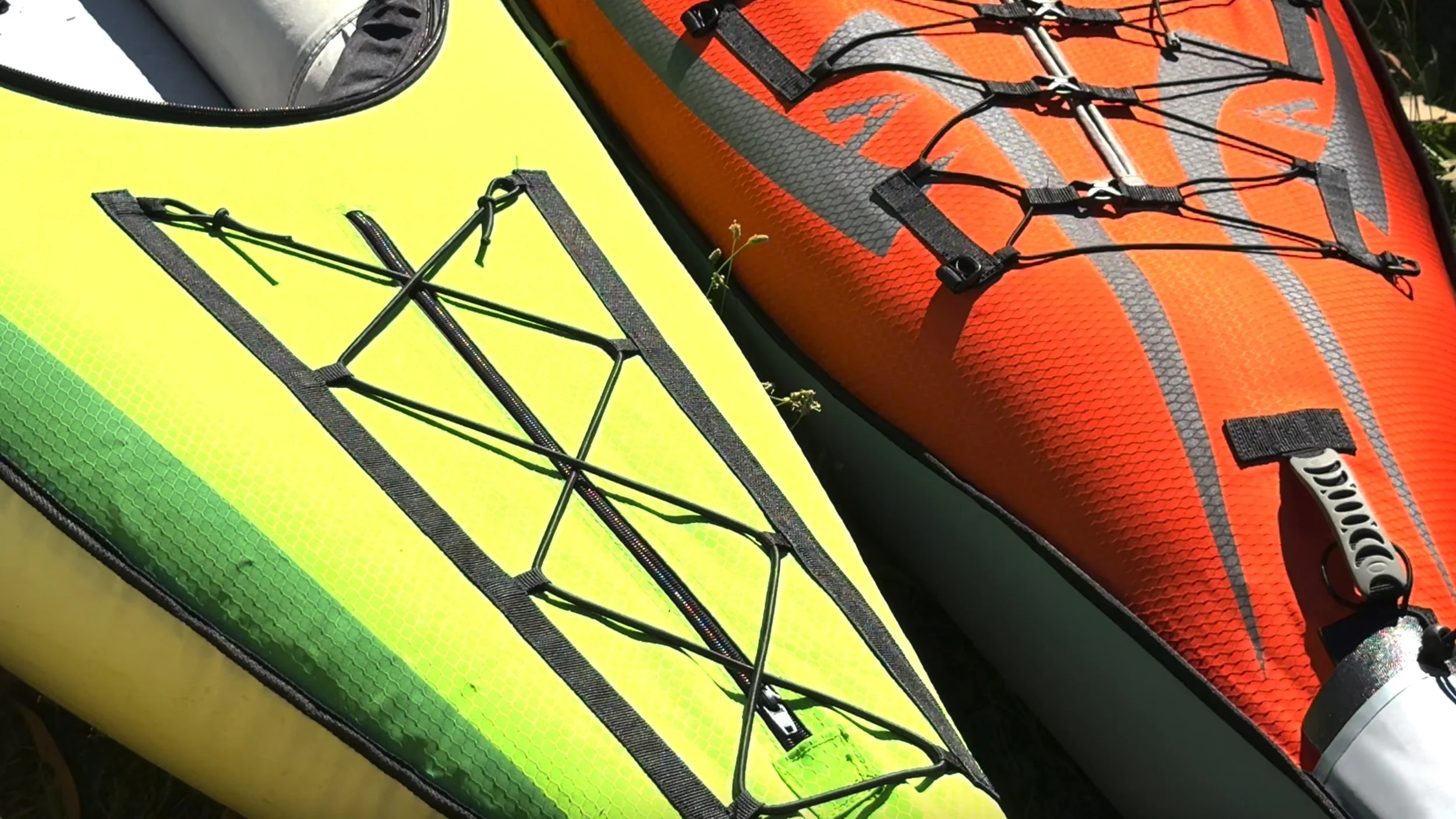
Advanced Elements Fabric Covers
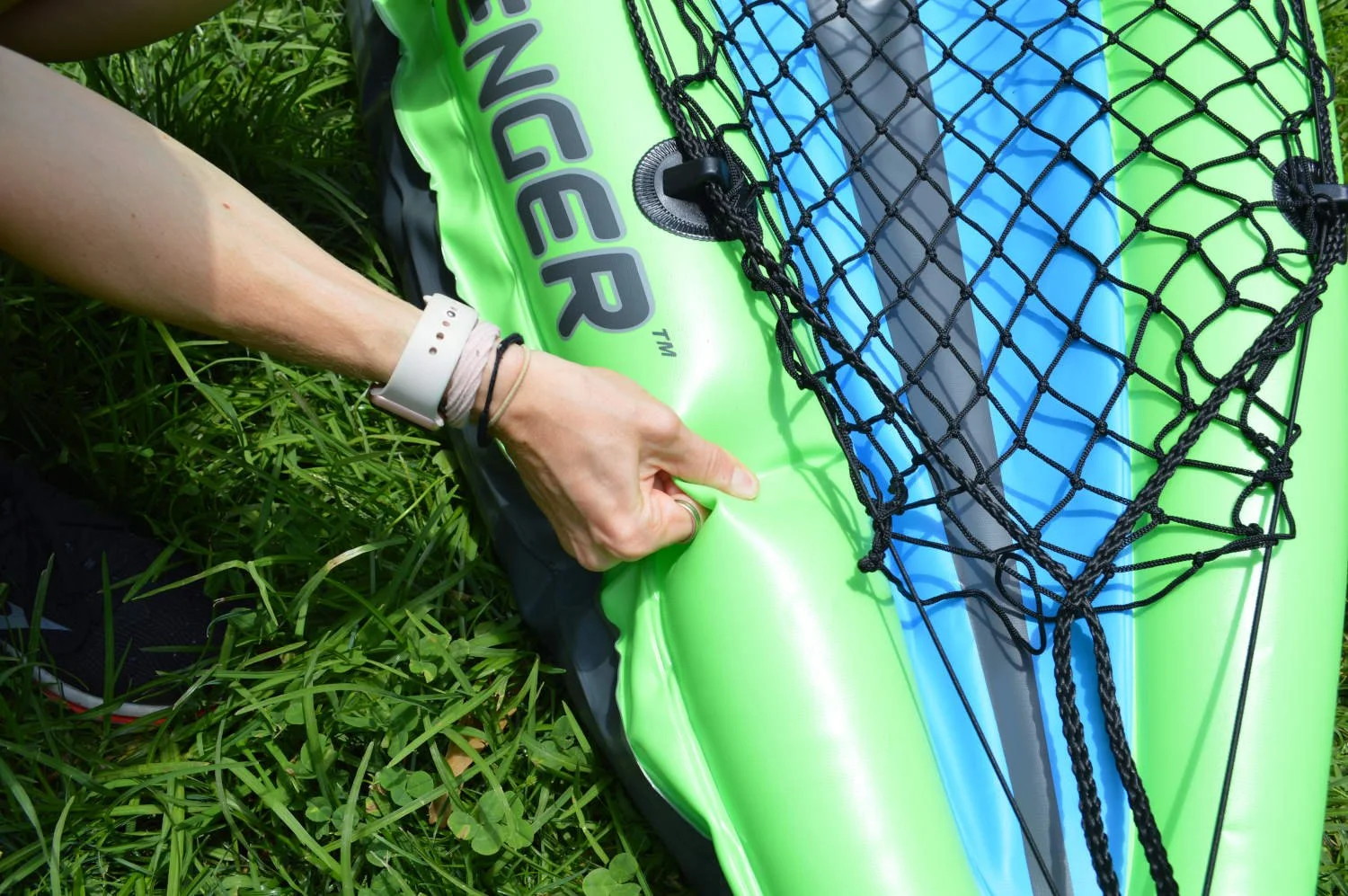
Intex Challenger K1 Flimsy Vinyl

Setup/Pack Down
Setup and pack down looks at how quickly you can get on the water, as well as how long it takes to get it back in the bag after you are done.
This is an important category to consider when buying any inflatable kayak in Australia. Setup and pack-down is one of those things that doesn’t vary hugely in time, but the ease of the process changes a lot depending on the kayak. Some models, like the Advanced Elements Expedition Elite, have multiple chambers and mismatched valves that slow things down, and the fabric holds water so you need extra drying time. On the other end, kayaks like the Razor R1 Ultra keep it simple with three valves clustered together and PVC that dries fast, so you can be on and off the water quickly. Folding kayaks are among the easiest of all. Once you know the steps, they clip together in just a few minutes and pack back down neatly without needing to pump anything. High-pressure models like the Tomahawk and Pryml Predator take longer because they require more pumping effort to reach 10–15 PSI, and packing them into their bags can feel like a wrestle, especially with tight carry bags. In contrast, kayaks like the Memba 330 and AdvancedFrame Sport are straightforward, inflating in under 10 minutes and folding down easily, provided everything is dry.
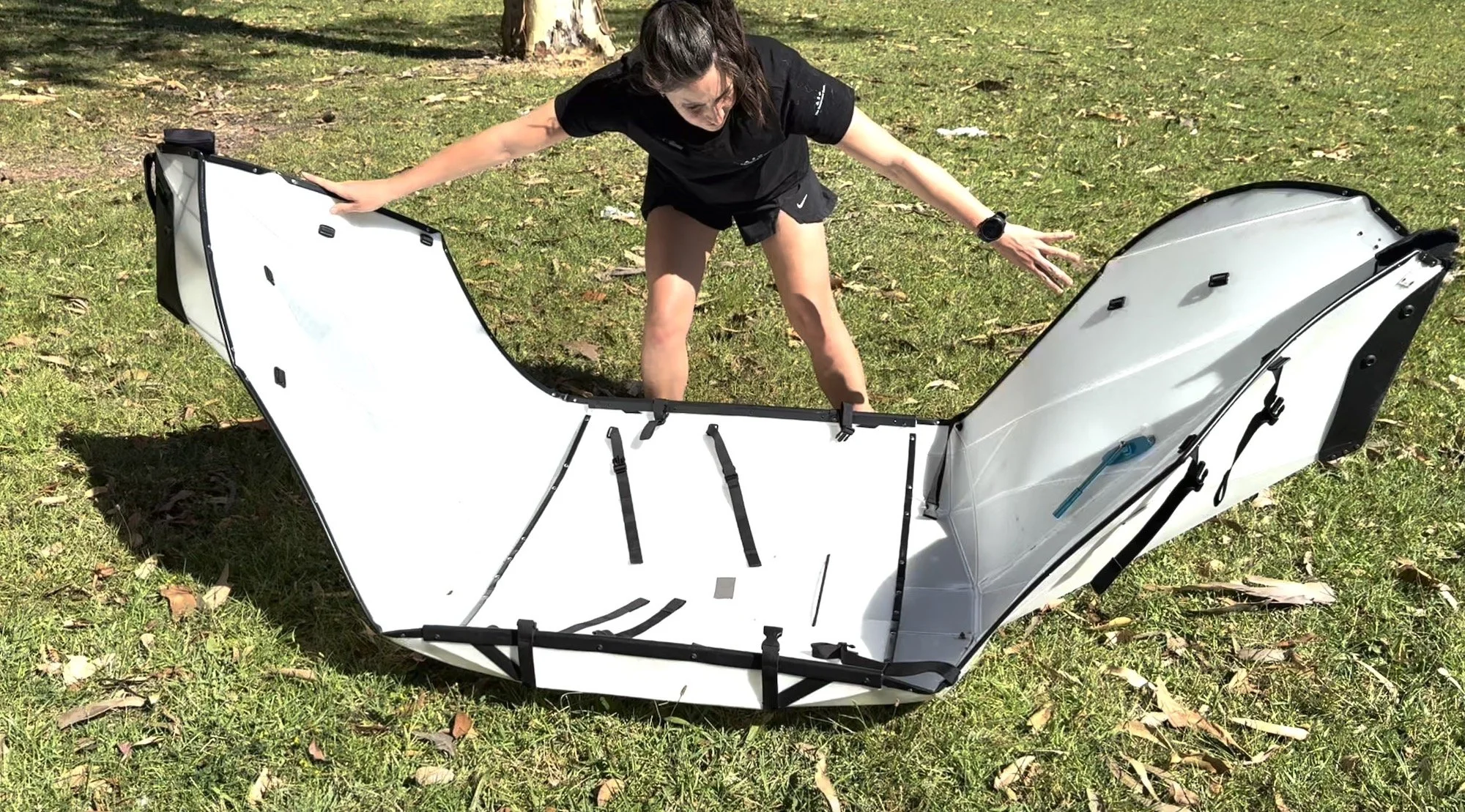
The Oru kayaks require no inflation and instead, need to be unfolded
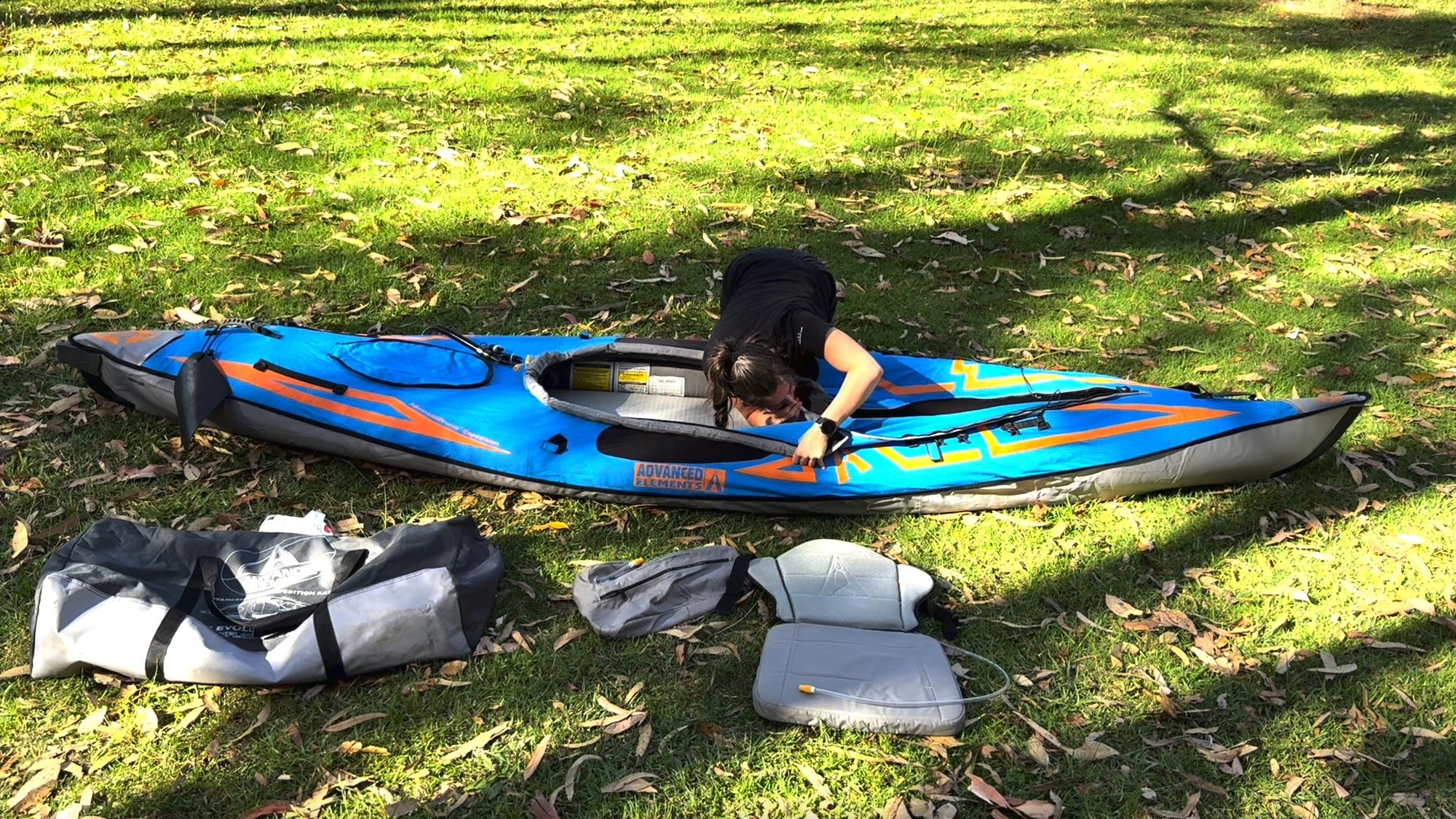
Some points require mouth inflation in the Expedition Elite

Portability
Portability looks at weight, size and how you carry it.
Some of the cheaper models are technically lighter and more compact but they achieve this by using thin materials that significantly reduce the kayak quality. Where this is the case, we have marked them down as, for the purposes of our inflatable kayak reviews, smaller doesn’t necessarily mean better.
At the ultralight end, the Razor R1 (8.2kg) is incredibly easy to move around, with compact bags and shoulder straps that make the walk to the water effortless. The AdvancedFrame Sport (11.8kg) and Memba 330 (13.4kg) also score well here, and both come with backpack-style bags that fit neatly into a car boot and are manageable for one person to carry. The AdvancedFrame Elite is slightly heavier at 13.5kg, but its detachable padded straps make it surprisingly comfortable to haul, especially on short walks. At the other extreme, the Pryml Predator is a different story: while it folds into a car-friendly package, its 30kg weight and strap-less bag make it a serious challenge without a trolley. The Bote Lono is also heavy at 23kg. The Expedition Elite sits somewhere in between, being heavy at 19.1kg but helped by a backpack-style bag. Meanwhile, kayaks like the Tomahawk and Kokopelli fall into the ‘portable but not featherweight’ category: fine for short distances, but you’ll feel it on longer walks.
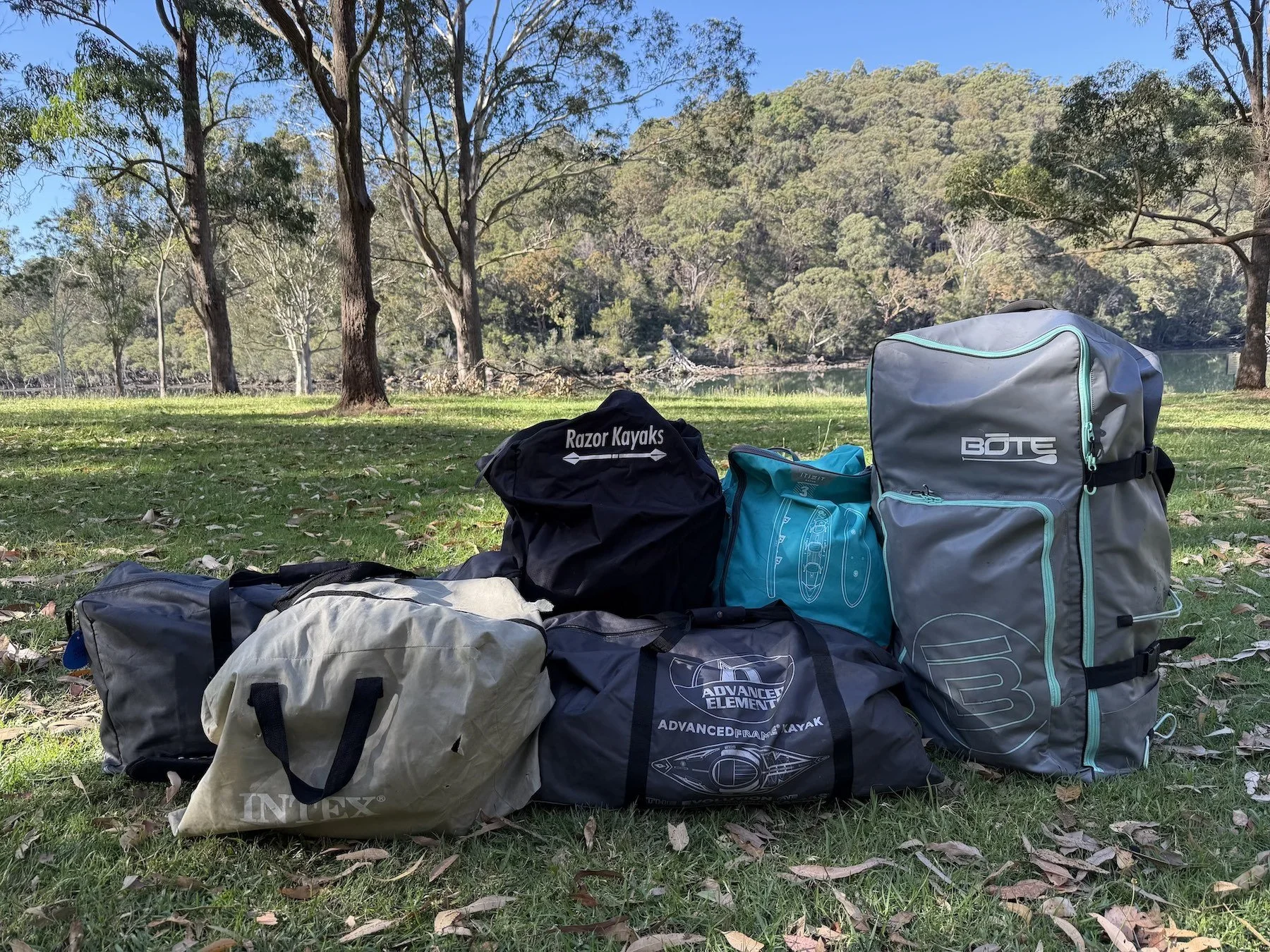
Each kayak has a different-sized carry bag, some with shoulder straps, while others can be carried like a backpack

Comfort
There is a lot that goes into comfort: how spacious is the cockpit, what material are you sitting on, what is the backrest like, is there enough legroom and is it easy to paddle.
Comfort varies hugely across these kayaks, and the details really matter once you’re on the water for more than half an hour. The Expedition Elite is one of the standouts, with a supportive seat, lots of legroom and an adjustable footrest that makes long paddles genuinely enjoyable. The AdvancedFrame Elite also scores highly thanks to its lumbar-support seat and roomy cockpit, though paddlers over 6'2" may prefer the Expedition for extra stretch. The Razor R1 Ultra is comfortable and stable, but the bent-knee paddling position can make it harder to build speed. For all-day relaxation, the Pryml Predator’s metal-framed seat is excellent, being wide, supportive and great for fishing, though it’s better suited to short paddles or motor use because it’s not the most efficient to power by hand. The Tomahawk’s high-back seat offers good lumbar support, but the footrest can slip during use. On the budget end, kayaks like the Excursion Pro and Challenger K1 struggle: their inflatable seats don’t offer enough support, and the Challenger’s cramped cockpit makes entry and paddling uncomfortable.
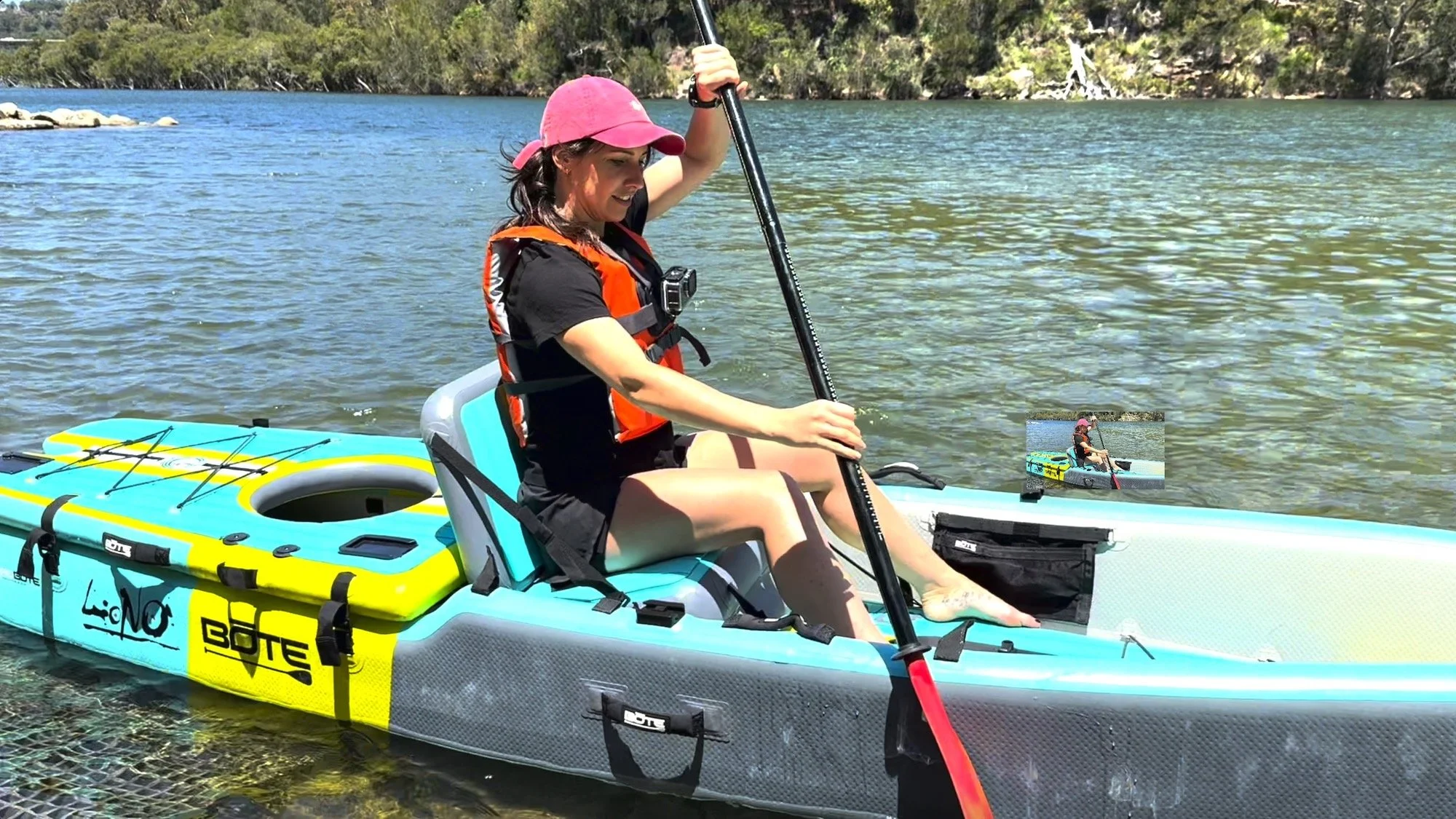
The Bote Lono has a high backrest with lots of legroom
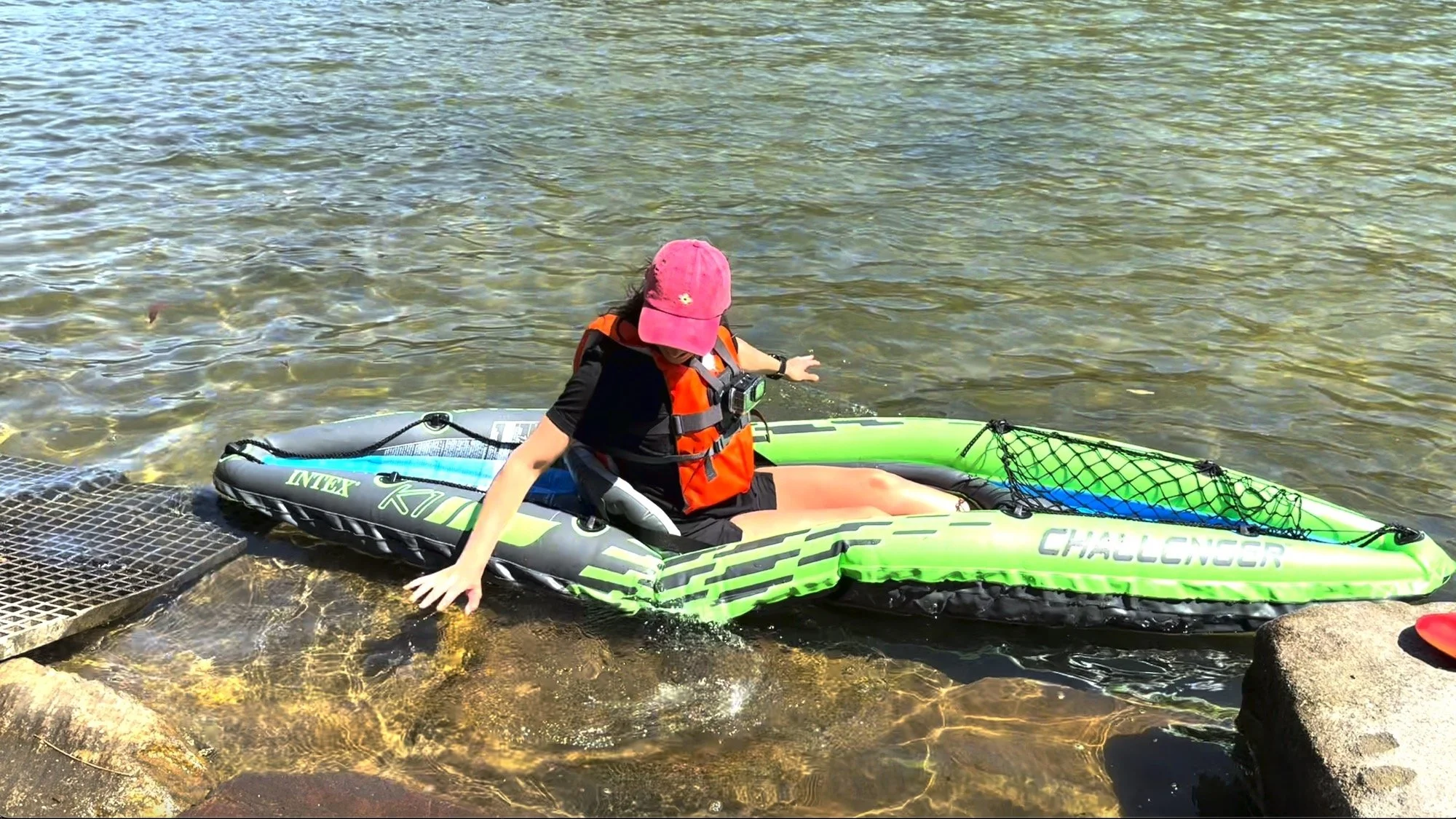
Intex Challenger K1 cramped cockpit

Overall Results

The inflatable kayak you choose will depend on your specific needs and wants. If you love fishing, for example, you would enjoy the Aquaglide Blackfoot 130 DS Angler. If you’re buying something for the kids, you’re not going to be spending lots and lots of money, so the lower end of the graph above may likely be what you’re after.
Still not sure which kayak to choose?
Be sure to read each of our individual reviews linked above to get a deeper understanding of what each kayak is like. Feel free to also get in touch with us to see if we can help provide any advice during your buying journey.
Inflatable Kayak FAQs
Are inflatable kayaks safe? - Yes. Many have multiple air chambers, so if one leaks, you’re not stranded. Make sure to always wear a life jacket (PFD) and stick to calmer waters if you're new.
How long does it take to inflate an inflatable kayak? - It depends on the kayak and pump - about 5 to 15 minutes with a hand pump, compared to 3 to 7 minutes with an electric pump.
Which inflatable kayak is best for beginners? - Beginners should look for wider kayaks (for stability), multiple air chambers (for safety), a reliable pump and included repair kit. Choose models from trusted brands rather than cheap toy versions.
Can inflatable kayaks puncture easily? - Higher-end inflatable kayaks are tough as they use thick materials (like PVC) and multiple air chambers. Punctures are rare in well-built models and repair kits come with many kayaks. Still, avoid dragging your kayak over sharp rocks and always patch leaks per manufacturer’s instructions.
What’s the difference between drop-stitch and non-drop-stitch inflatable kayaks? - Drop-stitch inflates to a higher pressure, making the bottom very rigid and stable, and more like a traditional kayak. Non-drop-stitch models have flexible floors, absorb more energy, and are usually slower to paddle.
How stable are inflatable kayaks? - Inflatable kayaks with side tubes are very stable, especially for beginners.
How long will an inflatable kayak last? - With good care (inflate/deflate properly, store dry, avoid UV damage), many inflatable kayaks last 5–10 years. Cheaper models may degrade faster, especially under sunlight or heavy use.
What happens if I get a leak or puncture while I’m out? - Most inflatables come with a repair kit (patch + glue). With multiple chambers, a leak in one part won’t necessarily sink you, so you can patch and keep going if it’s small. Always carry your patch kit and know how to use it.
Can I store the kayak inflated? - You can for short periods (a few hours), but for long-term storage, it’s safer to deflate. Note that over-inflating in hot weather can stress the seams, so release a bit of pressure if it's warm.
Why do inflatable kayaks feel slower or less efficient than hard-shell ones? - The good ones are just as fast in the water. Softer inflatables have more drag and flex, so you need to paddle harder to go fast.
About Our Testing Process
Here at The Equipment Guide, we write reviews for Australians to provide genuine personal assessments of the best products on the market right here at home. We do detailed research, including field tests, to make an informed judgment and help you get a better understanding of what is out there.
All products are reviewed and ranked in a methodical and careful manner and we assess them on relevant key features. We do not accept free products from manufacturers.
Our mission is simple: To create Australia’s best outdoor gear reviews.
Afterword
We hope this has helped you to decide what the best inflatable kayak Australia has to offer!
We have designed this in a way so as to help those looking for the best kayaks, a specific inflatable kayak review, or even the best fishing kayaks. If you have any feedback or you would like us to review a product, we’d love to hear from you. Feel free to drop us a note.
If you do purchase and are out in your inflatable kayak Australia, please share some pics with us, as we’d love to see you in action!