

Best Sleeping Bag | Australia 2026
Tested in Aussie alpine and snow regions, the outback and desert, and milder coastal regions.
This guide is designed for anyone looking for a reliable sleeping bag, whether you’re a beginner preparing for your first overnight hike, a comfort camper wanting warmth without the bulk, or an experienced trekker chasing performance gear for tougher conditions. To help, we’ve personally tested each model against a range of categories, including real-world warmth and temperature accuracy and value for money. Below, you’ll find detailed reviews available via the ‘Read Full Review’ buttons, but if you’re looking for the full setup, you might also like our list of the best hiking tents.
Our Top Picks:
Best Overall: Mont Helium 450
Best Budget Sleeping Bag: One Planet OESB Synthetic -5
Best Lightweight/Ultralight Sleeping Bag: Rab Mythic Ultra 120
Best Alpine Sleeping Bag: Sea to Summit Trek Down -9
Updated 7th January 2026: Added Sleeping Bag FAQs
Sleeping Bag Reviews Australia
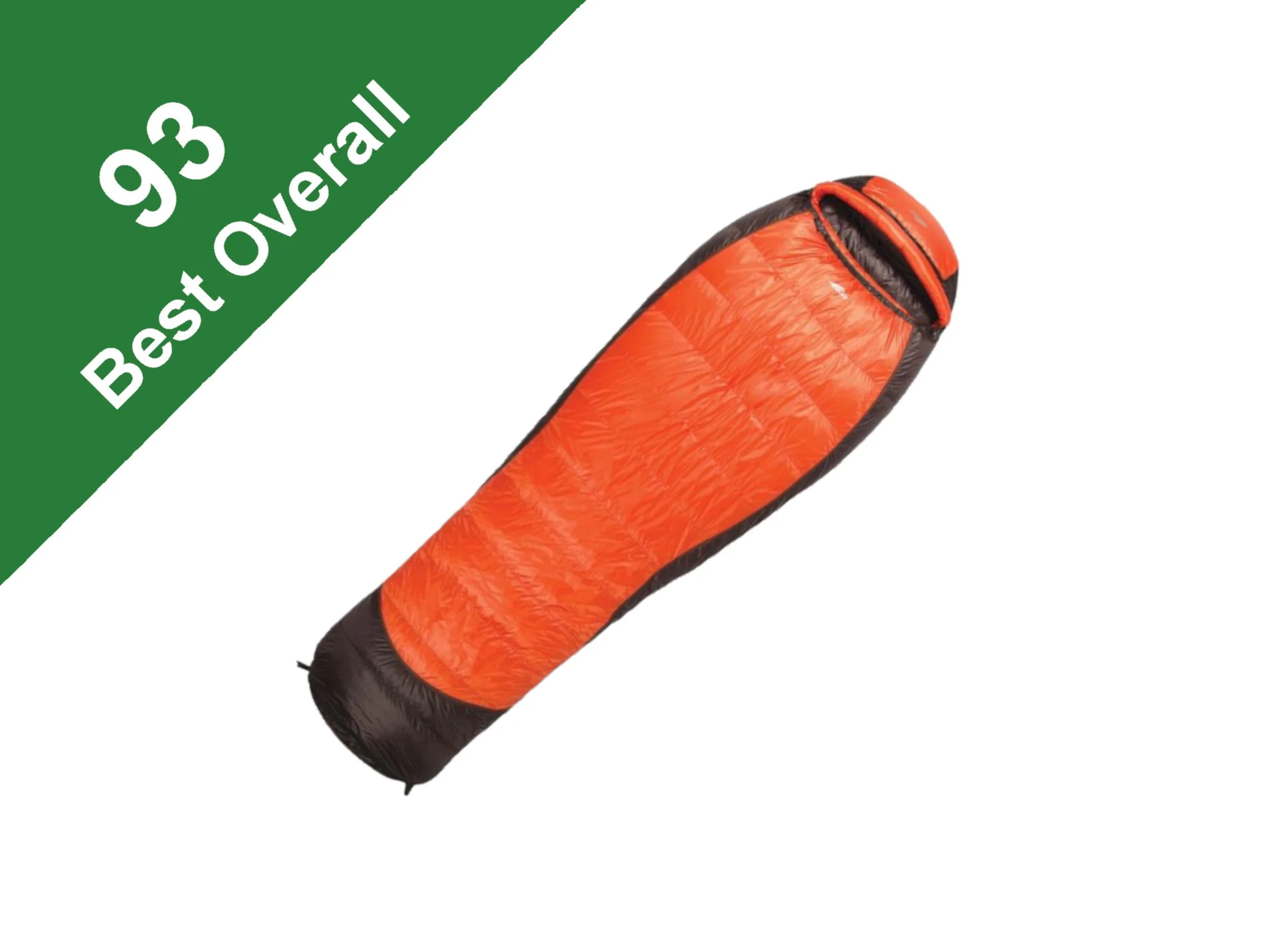
Mont Helium 450
Price At Time Of Writing | $789.95
Overall Rating | 93
Comfort | 9
Construction | 9
Features | 8
Size/Weight | 9
Versatility | 8
Packed Size - 31x15cm
Weight - 0.85kg
Fill - 450-Fill Duck Down
Best For: Backpackers who want warmth without excessive weight
Pros- Well-made, good features, roomy inside
Cons - Expensive, could be more compact, hood details
Overall - A three-season sleeping bag that performs fantastically
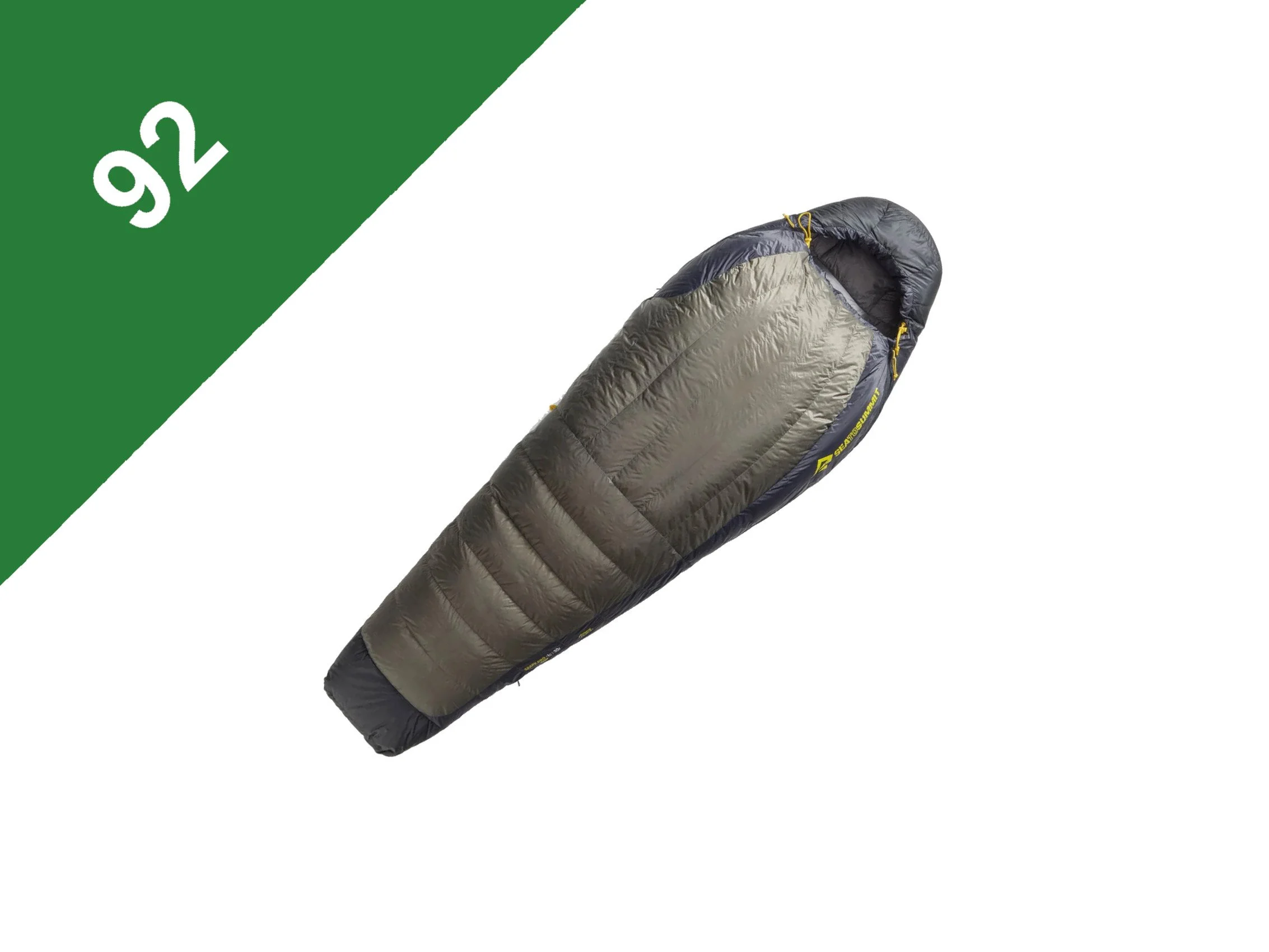
Sea to Summit Spark Pro
Price At Time Of Writing | $999.99
Overall Rating | 92
Comfort | 9
Construction | 9
Features | 8
Size/Weight | 9
Versatility | 7
Packed Size - N/A
Weight - 0.79kg
Fill - 950-fill Ultra-Dry Down
Best For - Ultralight hikers looking for a warm bag with versatile features
Pros - Light, warm, great features
Cons - Pricey, a bit delicate
Overall - A durable, comfortable and allround fantastic bag
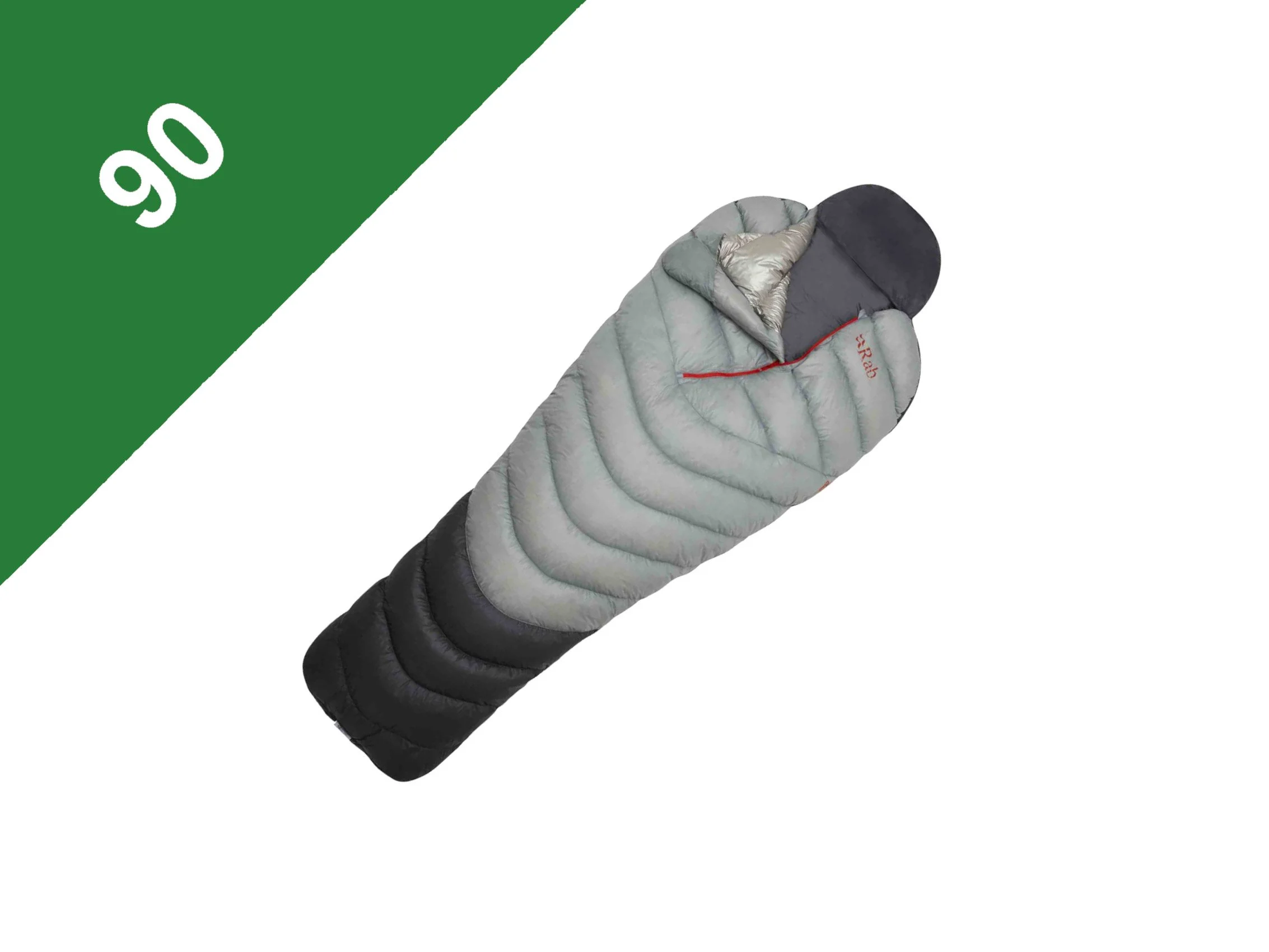
Rab Mythic Ultra 120
Price At Time Of Writing | $864.95
Overall Rating | 90
Comfort | 8
Construction | 9
Features | 8
Size/Weight | 10
Versatility | 5
Packed Size - 32x16cm
Weight - 0.33kg
Fill - 900-Fill Power European Goose Down
Best For - Those looking for minimal weight above all else
Pros - Light and warm
Cons - Mummy design, doesn’t zip all the way
Overall - A lightweight sleeping bag that’s not for freezing conditions

The North Face Blue Kazoo
Price At Time Of Writing | $550.00
Overall Rating | 90
Comfort | 8
Construction | 8
Features | 7
Size/Weight | 10
Versatility | 7
Packed Size - 43x23cm
Weight - 1.1kg
Fill - 700g ProDown
Best For: Hikers wanting reliable comfort in cooler nights
Pros - Light, warm
Cons - Narrow foot box, some feathers come out
Overall - A lightweight hiking bag
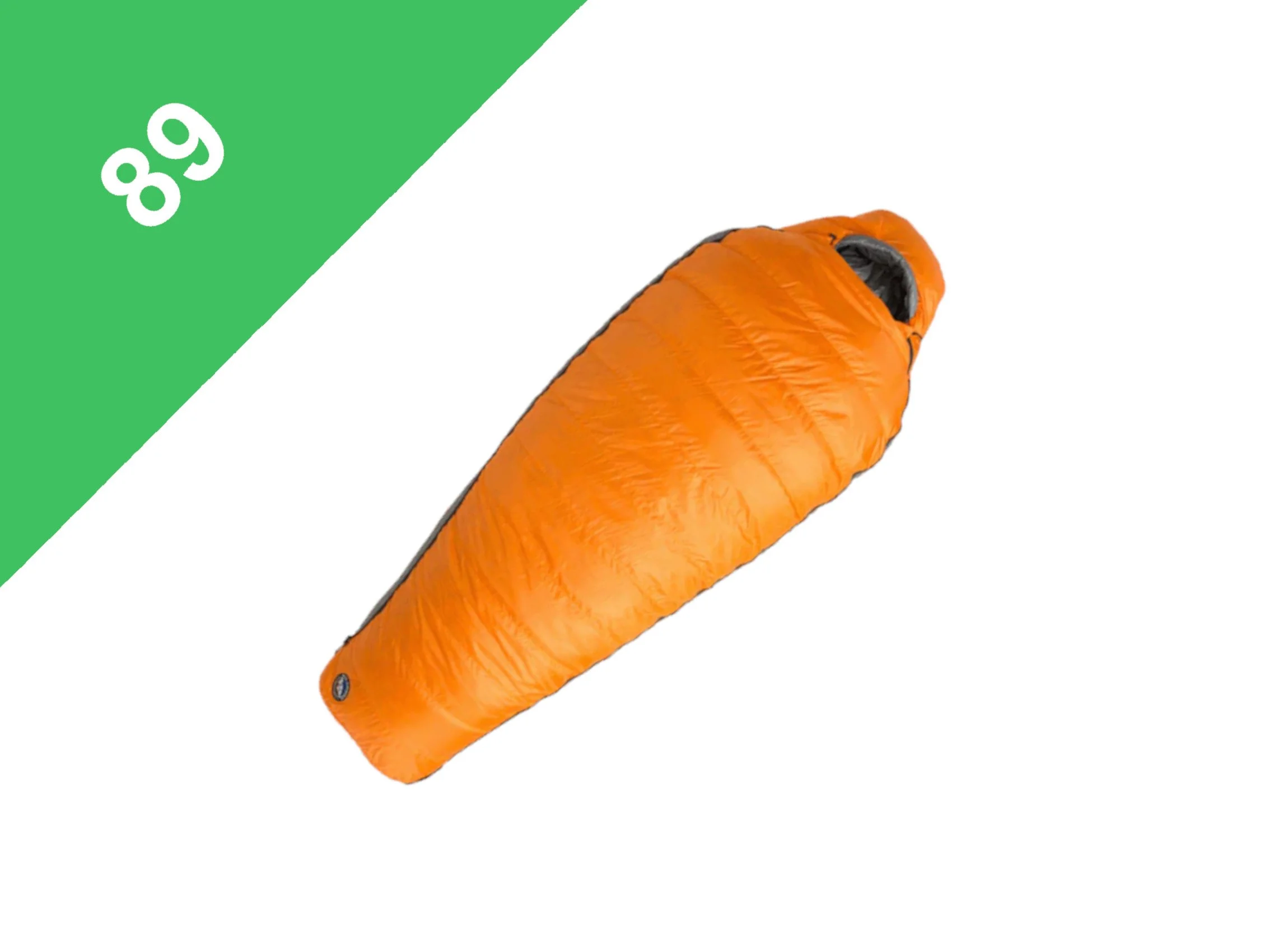
Big Agnes Torchlight 20
Price At Time Of Writing | $449.00
Overall Rating | 89
Comfort | 8
Construction | 8
Features | 7
Size/Weight | 8
Versatility | 8
Packed Size - 44x20cm
Weight - 1.02kg
Fill - 850-Downtek Water-Repellent Down
Best For - Sleepers who move a lot and want extra comfort
Pros - Roomy, comfy, water-resistant, good features
Cons - Not fully ultralight, zippers can snag, internal pocket location
Overall - A roomy, yet warm bag that’s adaptable for different situations

One Planet OESB Synthetic -5
Price At Time Of Writing | $249.00
Overall Rating | 86
Comfort | 8
Construction | 8
Features | 6
Size/Weight | 7
Versatility | 7
Packed Size - 37x20cm
Weight - 1.3kg
Fill - Thermolink Synth
Best For: Wet or humid climates that require durability and moisture resistance
Pros - Comfy, machine washable, well-made
Cons - Doesn’t have a zipper pocket, doesn’t zip all the way down
Overall - A quality-made sleeping bag at good value
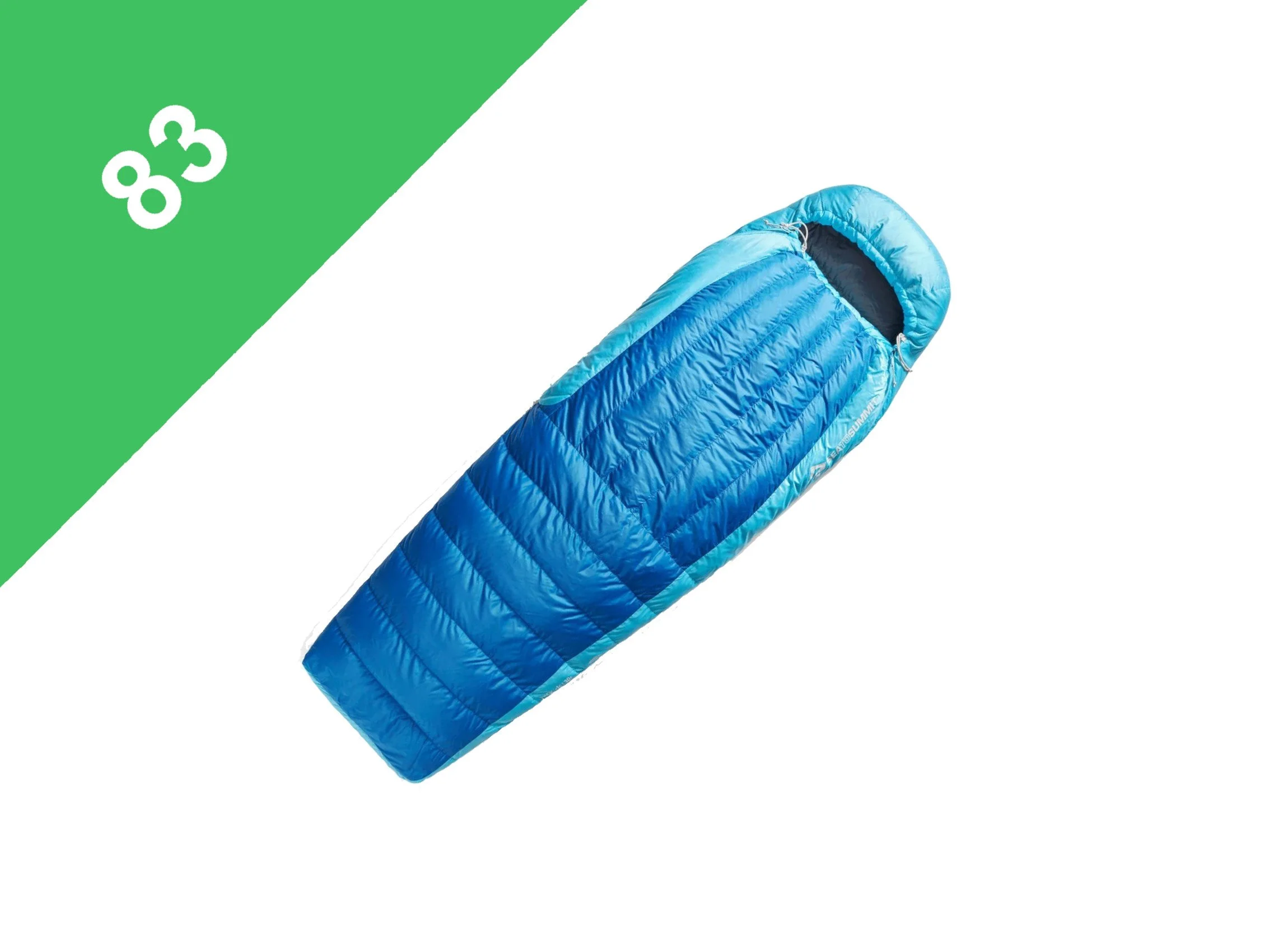
Sea to Summit Trek Down -9
Price At Time Of Writing | $599.99
Overall Rating | 83
Comfort | 7
Construction | 8
Features | 6
Size/Weight | 7
Versatility | 5
Packed Size - N/A
Weight - 1.44kg
Fill - 650-Fill Duck Down
Best For: Cold-climate trekkers who need something warm rather than light
Pros - Comfy, roomy, versatile
Cons - Bulkier than others, down can leak, zipper
Overall - A good bag for car camping or backpacking

Big Agnes Sidewinder SL 20
Price At Time Of Writing | $399.00
Overall Rating | 80
Comfort | 7
Construction | 7
Features | 6
Size/Weight | 4
Versatility | 6
Packed Size - 20x44cm
Weight - 1.02kg
Fill - 650 DownTek™ and FireLine™ Eco
Best For - Side sleepers who struggle with standard mummy bags
Pros - Built for side sleepers, well insulated, light
Cons - Down sheds, not for back sleepers, rucksack could be smaller
Overall - A bag built for restless sleepers
Overall Results

The right sleeping bag for you ultimately depends on your specific needs, budget and the adventures you have planned. If you're tackling cold, alpine conditions or unpredictable weather, you'll need a high-performance, temperature-rated bag like a down-filled mummy bag. If you're buying for casual car camping, family trips, or summer festivals here in Australia, however, a simpler, more affordable rectangular synthetic bag will likely be a perfect and comfortable fit.
Still not sure which Sleeping Bag to choose?
Browse our detailed sleeping bag reviews via the links above to get a clearer picture of their real-world warmth and comfort. If you're still deciding between a few options, please reach out! We're always happy to help you find the right sleeping bag for your next adventure.
Sleeping Bag FAQs
Do temperature ratings on sleeping bags always reflect real-life warmth? - The ‘comfort’ or ‘temperature’ rating is based on lab tests using a sleeping pad, base layers and controlled conditions, but that doesn’t guarantee you’ll feel warm, as factors like sleeping pad quality, base layers, body type and how cold the ground is all affect actual warmth.
Can I camp in cold weather using a lightweight sleeping bag? - You could, but you’ll probably be cold overnight. A bag rated too warm for the conditions you’re sleeping in might get you through the night, but won’t keep you comfortable. You’d need extra layers, a warm sleeping pad, or even a liner to avoid a cold, restless sleep. Bushwalking Manual goes into sleeping bag temperature ratings for Australia, if you’re interested.
Do I also need a sleeping pad with a sleeping bag? - A good sleeping pad insulates you from cold ground and makes a big difference in how warm you stay. Sleeping directly on the ground, even inside a rated bag, often leads to heat loss and a cold night.
Is a down sleeping bag always better than a synthetic one? - Down bags usually offer better warmth-to-weight and pack down smaller, but they perform poorly if damp and take longer to dry. Synthetic bags are heavier and bulkier, but hold up better in wet conditions and are often more affordable. Sea to Summit explains more about what synthetic means in a sleeping bag.
What do ‘comfort,’ ‘limit’ and ‘extreme’ ratings mean on sleeping bags? - ‘Comfort’ is the lowest temperature at which an average person should be comfortable, ‘limit’ is for a warmer sleeper under those conditions and ‘extreme’ is a survival rating, meaning it might keep you alive, but you’ll be very cold and uncomfortable.
Do you always get what you pay for when buying a sleeping bag? - Not always, but cheaper sleeping bags often cut corners, such as with weaker zippers, thinner insulation and less durable fabric. They might be fine for a few seasons of light camping, but a quality bag holds up better under repeated use and varied conditions.
Should I choose a minimalist bag or a roomy one? - It depends on your camping style. A compact, tapered ‘mummy’ bag traps heat better, which helps in cold or backpacking trips. A roomier bag or rectangular style gives more comfort and space, which can be better for car camping or warm-condition trips.
Can I improve an existing sleeping bag’s warmth without buying a new one? - You can add a liner, use a thicker sleeping pad, wear warm base layers and keep your tent well-ventilated (to reduce moisture) to help make an existing bag warmer and more comfortable.
Afterword
We hope that has answered the question of what is the best hiking sleeping bag Australia has to offer and which are the best sleeping bags for camping. If you would like us to review a product or have any feedback we’d love to hear from you, feel free to drop us a note.
About Our Testing Process
Here at The Equipment Guide we write reviews for Australians with the goal of providing a genuine personal assessment of the best products on the market right here at home.
All products are reviewed and ranked in a methodical and careful manner and we assess them on relevant key features. We do not accept free products from manufacturers.
Our mission is simple: To create Australia’s best outdoor gear reviews.